Pre-Roll Ads: Complete Guide for Publishers and Ad Ops Teams
Pre-roll advertisements have become the cornerstone of digital video monetization, representing one of the most effective ways for publishers to generate revenue from their video content. As the digital advertising landscape continues to evolve, understanding how to effectively implement, optimize, and manage pre-roll ads has become essential for publishers and ad operations professionals.
What Are Pre-Roll Ads?
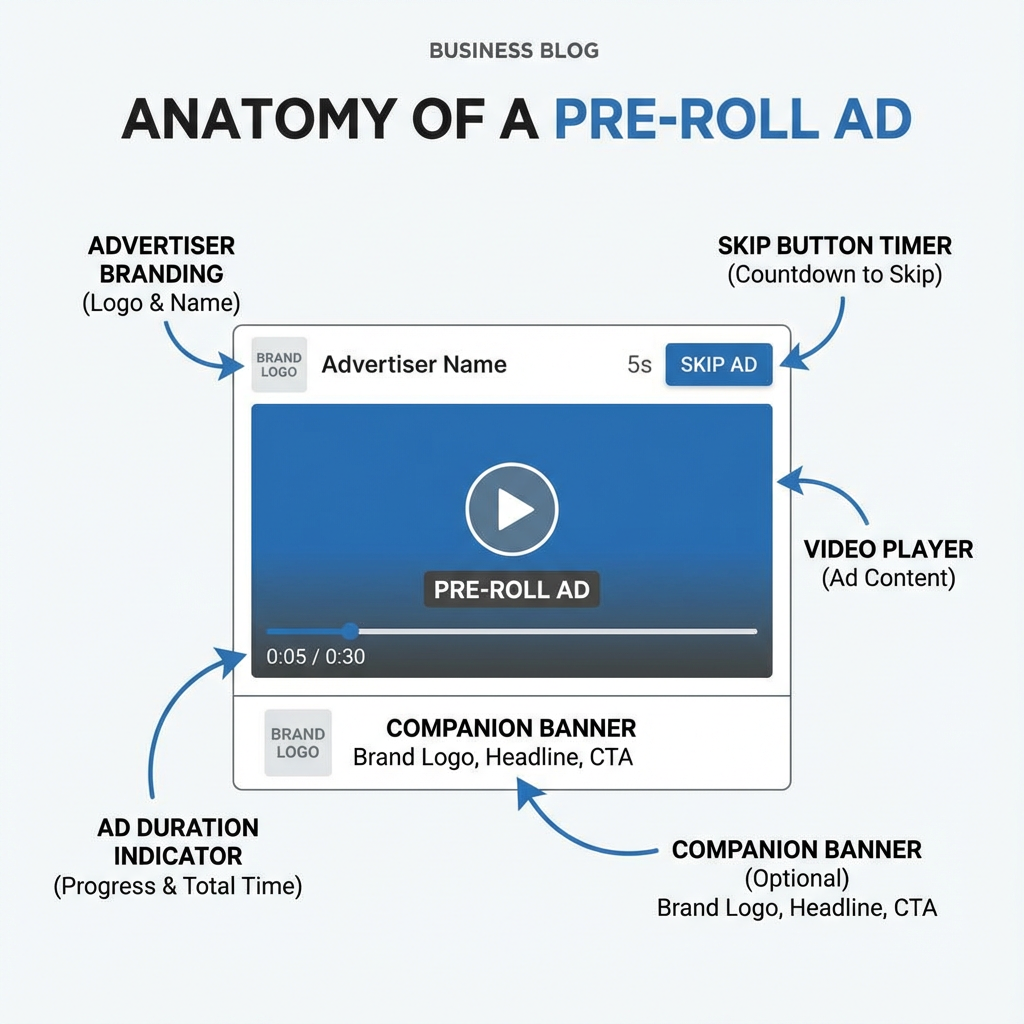
Pre-roll ads are video advertisements that play before the main video content begins. These ads typically range from 15 to 30 seconds in length, though some can extend up to 60 seconds or longer. Unlike mid-roll or post-roll advertisements, pre-roll ads capture viewers at their peak attention moment – when they’re actively seeking to consume specific video content.
The format has proven particularly effective because it leverages the viewer’s intent to watch the content that follows. This captive audience scenario creates higher engagement rates compared to many other digital advertising formats, making pre-roll ads highly valuable to advertisers and, consequently, profitable for publishers.
Types of Pre-Roll Ads
Skippable Pre-Roll Ads
Skippable pre-roll ads allow viewers to skip the advertisement after a predetermined period, typically 5 seconds. While this might seem counterintuitive for advertisers, skippable ads often perform better in terms of user experience and can actually improve completion rates for viewers who choose to watch the full ad.
Key characteristics:
- Usually 15-30 seconds long
- Skip button appears after 5 seconds
- Charged on a cost-per-view (CPV) basis only when viewed for 30 seconds or until completion
- Higher user satisfaction due to control element
Non-Skippable Pre-Roll Ads
Non-skippable pre-roll ads require viewers to watch the entire advertisement before accessing their desired content. These ads are typically shorter (15-20 seconds) to minimize user frustration while ensuring complete message delivery.
Key characteristics:
- Usually 15-20 seconds maximum
- Guaranteed full view duration
- Higher CPM rates due to guaranteed completion
- Potential for higher bounce rates if overused
Bumper Ads
Bumper ads are ultra-short, non-skippable video ads lasting only 6 seconds. They’re designed to deliver quick, memorable messages and are particularly effective for brand awareness campaigns.
Key characteristics:
- Exactly 6 seconds long
- Non-skippable format
- Focus on brand awareness rather than detailed messaging
- Lower user resistance due to short duration
Benefits of Pre-Roll Ads for Publishers
Higher Revenue Potential
Pre-roll ads typically command higher CPM (cost per mille) rates compared to display ads. Industry data shows that video ads can generate 2-5 times higher CPMs than standard banner advertisements, making them an attractive revenue source for publishers with video content.
Premium Advertiser Demand
The effectiveness of video advertising attracts premium brand advertisers willing to pay higher rates for quality inventory. This demand creates competitive bidding environments that drive up ad prices, benefiting publishers with well-optimized pre-roll implementations.
Improved User Engagement Metrics
When implemented correctly, pre-roll ads can actually improve overall site engagement. Viewers who complete pre-roll ads often show higher engagement with the subsequent content, leading to longer session durations and improved site metrics.
Programmatic Integration Opportunities
Pre-roll ads integrate seamlessly with programmatic advertising ecosystems, allowing publishers to access real-time bidding (RTB) markets and maximize revenue through automated optimization.
Technical Implementation for Publishers
VAST and VPAID Standards
Successful pre-roll implementation requires understanding and properly implementing Video Ad Serving Template (VAST) and Video Player Ad Interface Definition (VPAID) standards. These protocols ensure compatibility across different ad servers and video players.
VAST Implementation:
- Enables communication between ad servers and video players
- Supports tracking of ad metrics and user interactions
- Provides standardized error reporting
- Facilitates programmatic buying integration
VPAID Integration:
- Allows for interactive ad experiences
- Enables advanced tracking and analytics
- Supports rich media ad formats
- Provides better control over ad playback
Video Player Requirements
Choosing the right video player is crucial for pre-roll success. Publishers need solutions that offer robust ad serving capabilities, cross-platform compatibility, and comprehensive analytics. Modern video players like Veedmo provide publishers with advanced ad serving features, seamless programmatic integration, and detailed performance analytics to maximize pre-roll revenue potential.
Header Bidding for Video
Implementing video header bidding allows publishers to offer their pre-roll inventory to multiple demand sources simultaneously, creating competitive bidding scenarios that increase revenue.
Key benefits:
- Increased competition among advertisers
- Higher fill rates
- Better yield optimization
- Reduced dependency on single ad servers
Optimization Strategies
Frequency Capping
Implementing appropriate frequency caps prevents ad fatigue and improves user experience. Industry best practices suggest limiting pre-roll ad exposure to 1-3 ads per user per session, depending on content length and user behavior patterns.
Content Matching
Aligning pre-roll ad content with the video content increases relevance and engagement. Publishers can use contextual targeting to serve ads that complement their content themes, improving both user experience and advertiser performance.
A/B Testing Framework
Test Variables:
- Ad duration (15s vs 30s)
- Skippable vs non-skippable formats
- Different ad positions
- Various frequency cap settings
- Multiple creative formats
Performance Analytics
Monitoring key performance indicators (KPIs) is essential for optimization:
Revenue Metrics:
- eCPM (effective cost per mille)
- Fill rates
- Revenue per visitor
- Revenue per video view
User Experience Metrics:
- Completion rates
- Skip rates
- Bounce rates after ad viewing
- Session duration impact
Common Challenges and Solutions
Ad Blocking
Ad blocking presents a significant challenge for pre-roll monetization. Publishers can address this through:
- Implementing anti-ad-block messages
- Offering ad-free premium subscriptions
- Creating native advertising experiences
- Developing server-side ad insertion (SSAI) solutions
User Experience Balance
Balancing revenue generation with user satisfaction requires careful consideration:
Best Practices:
- Limit ad frequency to prevent fatigue
- Ensure fast loading times
- Provide clear skip options when appropriate
- Maintain content quality standards
Technical Issues
Common technical challenges include:
- Video player compatibility issues
- Ad serving latency
- Mobile optimization requirements
- Cross-browser compatibility
Solutions:
- Regular player testing across devices
- CDN implementation for faster ad delivery
- Responsive design implementation
- Comprehensive QA processes
Mobile Considerations
Mobile-First Design
With mobile video consumption continuing to grow, publishers must prioritize mobile optimization for pre-roll ads:
- Ensure ads load quickly on mobile connections
- Optimize video quality for various screen sizes
- Consider mobile-specific user behavior patterns
- Implement touch-friendly skip buttons and controls
App vs. Mobile Web
Different mobile environments require tailored approaches:
Mobile Apps:
- Higher engagement rates
- Better ad completion rates
- More precise targeting options
- Reduced ad blocking
Mobile Web:
- Broader reach potential
- Easier implementation
- Better SEO benefits
- Cross-platform compatibility
Future Trends and Considerations
Connected TV (CTV) Growth
The rise of connected TV viewing presents new opportunities for pre-roll advertising:
- Larger screen experiences
- Living room viewing environments
- Premium content associations
- Higher completion rates
Interactive Video Ads
Advanced pre-roll formats incorporating interactivity are becoming more prevalent:
- Clickable hotspots within ads
- Choose-your-own-adventure style ads
- Shoppable video experiences
- Augmented reality integrations
Privacy-First Advertising
Evolving privacy regulations require publishers to adapt their pre-roll strategies:
- Implement consent management platforms
- Develop first-party data strategies
- Explore contextual targeting alternatives
- Prepare for cookieless advertising environments
Revenue Maximization Strategies
Dynamic Ad Insertion
Implementing dynamic ad insertion allows publishers to:
- Serve different ads to different viewers
- Update ad content without re-encoding videos
- Improve targeting capabilities
- Increase inventory flexibility
Premium Inventory Packaging
Creating premium ad packages can command higher rates:
- Combine pre-roll with other ad formats
- Offer exclusive content partnerships
- Provide enhanced targeting options
- Include detailed reporting and analytics
Seasonal Optimization
Adjusting pre-roll strategies for seasonal trends:
- Increase inventory during high-demand periods
- Adjust pricing strategies for peak seasons
- Create seasonal content themes
- Plan technical maintenance during low-demand periods
Conclusion
Pre-roll advertising represents a powerful revenue opportunity for publishers willing to invest in proper implementation and optimization. Success requires balancing user experience with monetization goals while staying current with technological advances and industry best practices.
Publishers who master pre-roll implementation through strategic planning, technical excellence, and continuous optimization will find themselves well-positioned to maximize revenue from their video content. As the digital advertising landscape continues to evolve, pre-roll ads remain a fundamental component of successful video monetization strategies.
The key to long-term success lies in maintaining focus on user experience while leveraging data-driven optimization techniques. Publishers who prioritize both revenue generation and audience satisfaction will build sustainable, profitable video advertising businesses that can adapt to future industry changes.