How to Monetize Your YouTube Channel: Complete Guide for Publishers and Content Creators
With over 2 billion monthly logged-in users, YouTube represents one of the most lucrative platforms for content creators and publishers to generate revenue. However, successfully monetizing a YouTube channel requires more than just uploading videos—it demands strategic planning, understanding of various revenue streams, and mastery of YouTube’s monetization ecosystem.
This comprehensive guide explores proven monetization strategies, advanced techniques for publishers, and emerging opportunities in the evolving digital advertising landscape.
Understanding YouTube’s Monetization Ecosystem
YouTube’s monetization framework has evolved significantly since its inception, offering creators multiple pathways to generate revenue. The platform’s Partner Program serves as the foundation for most monetization efforts, but sophisticated publishers are increasingly diversifying their revenue streams beyond traditional ad revenue.
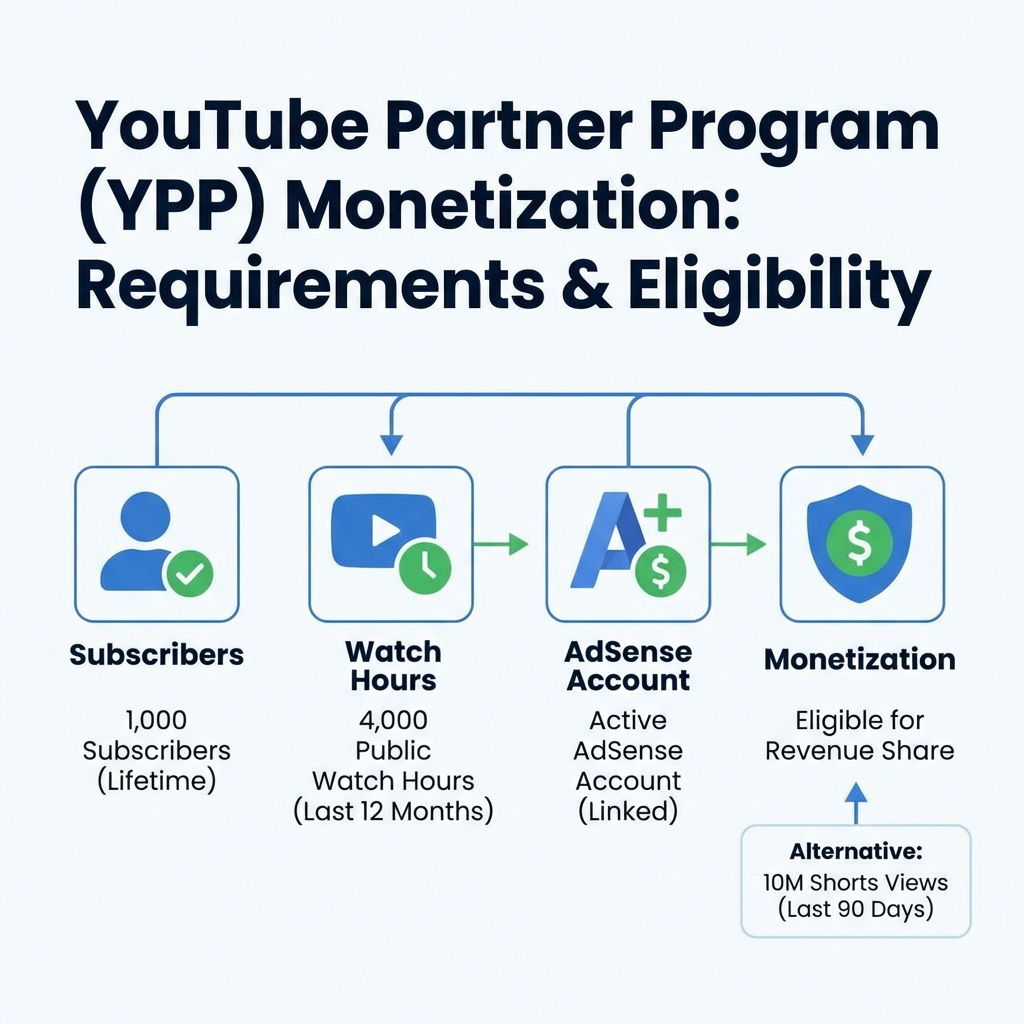
YouTube Partner Program Requirements
To access YouTube’s primary monetization features, channels must meet specific eligibility criteria:
- 1,000+ subscribers
- 4,000+ watch hours in the past 12 months (or 10 million public Shorts views)
- Compliance with YouTube’s monetization policies
- Valid AdSense account
- Two-step verification enabled
These requirements ensure that only established creators with consistent viewership can access monetization tools, maintaining advertiser confidence and content quality standards.
Primary Revenue Streams for YouTube Channels
Ad Revenue Through Google AdSense
The most fundamental monetization method involves displaying ads on your content through YouTube’s partnership with Google AdSense. This system utilizes programmatic advertising technology to serve relevant ads to your audience.
Pre-roll and Mid-roll Advertising
Pre-roll ads appear before video content begins, while mid-roll ads interrupt longer videos at strategic intervals. Publishers with videos exceeding 8 minutes can enable mid-roll ads, significantly increasing revenue potential. Industry data suggests that mid-roll placements can increase overall ad revenue by 20-40% for qualifying content.
Display and Overlay Ads
These non-intrusive ad formats appear alongside video content, providing additional revenue without disrupting the viewing experience. While typically generating lower CPMs than video ads, they contribute to overall monetization strategies.
Channel Memberships and Super Features
YouTube’s direct monetization tools enable creators to generate revenue directly from their audience:
Channel Memberships allow subscribers to pay monthly fees for exclusive perks, badges, and content access. This recurring revenue model provides predictable income streams independent of ad performance fluctuations.
Super Chat and Super Thanks enable viewers to purchase highlighted messages during live streams or leave monetary tips on videos, creating immediate revenue opportunities during peak engagement periods.
Advanced Monetization Strategies for Publishers
Sponsored Content and Brand Partnerships
Direct brand partnerships often generate higher revenue than traditional ad sharing models. Publishers can negotiate custom rates based on:
- Audience demographics and engagement metrics
- Brand alignment and content integration quality
- Exclusivity agreements and campaign duration
- Cross-platform promotion opportunities
Successful sponsored content maintains authenticity while delivering measurable value to partner brands. Publishers should establish clear disclosure practices to comply with FTC guidelines and maintain audience trust.
Affiliate Marketing Integration
Affiliate marketing allows publishers to earn commissions by promoting relevant products and services. Effective implementation requires:
- Strategic product selection aligned with audience interests
- Transparent disclosure of affiliate relationships
- Performance tracking through UTM parameters and conversion analytics
- Integration with video content rather than purely promotional approaches
Merchandise and Product Sales
Direct product sales through YouTube’s merchandise shelf or external platforms create additional revenue streams while strengthening brand identity. Publishers can leverage:
- Print-on-demand services for branded apparel and accessories
- Digital products like courses, templates, or exclusive content
- Physical products related to channel themes or expertise areas
Optimizing Revenue Through Strategic Content Planning
Content Categories and CPM Optimization
Different content categories generate varying CPMs (cost per mille) based on advertiser demand and audience value. High-value categories include:
- Finance and investing
- Technology and software
- Business and entrepreneurship
- Health and wellness
- Education and professional development
Publishers should analyze their niche’s monetization potential while maintaining authentic content creation approaches.
Seasonal Content and Ad Revenue Cycles
Advertising spend fluctuates throughout the year, with Q4 typically generating the highest CPMs due to holiday shopping campaigns. Publishers can optimize revenue by:
- Creating seasonal content aligned with high-spending periods
- Diversifying content to capture multiple advertiser categories
- Planning evergreen content for consistent year-round performance
- Analyzing historical performance data to identify optimization opportunities
Technical Implementation and Ad Serving Optimization
Understanding YouTube’s Ad Auction System
YouTube utilizes real-time bidding technology to maximize ad revenue for publishers. The platform’s algorithm considers multiple factors:
- Audience demographics and interests
- Video content relevance
- Advertiser targeting parameters
- Historical performance metrics
- Competitive bidding environment
Publishers can influence auction outcomes through strategic content optimization and audience development.
Video SEO and Discoverability
Higher view counts and engagement rates directly correlate with increased ad revenue potential. Optimization strategies include:
- Keyword research and title optimization
- Compelling thumbnail design and A/B testing
- Strategic use of tags and descriptions
- Custom end screens and card implementations
- Playlist organization for increased session duration
Alternative Monetization Platforms and Strategies
Multi-Platform Publishing
While YouTube remains dominant, publishers can diversify risk and increase revenue through multi-platform strategies. Many publishers repurpose YouTube content for other platforms while maintaining YouTube as their primary hub. Some advanced publishers also implement custom video players like Veedmo on their owned properties to capture additional programmatic revenue while driving traffic back to their YouTube channels.
Email List Building and Direct Marketing
Building email subscribers from YouTube traffic creates owned audience assets that generate revenue independent of platform algorithm changes. Publishers can monetize email lists through:
- Newsletter sponsorships and advertising
- Direct product promotions and launches
- Exclusive content offerings and premium subscriptions
- Event promotion and ticket sales
Course Creation and Educational Content
Publishers with expertise in specific domains can create premium educational content, generating significantly higher per-viewer revenue than ad-supported content alone.
Analytics and Performance Optimization
Key Metrics for Monetization Success
Successful YouTube monetization requires consistent monitoring of performance indicators:
Revenue Metrics:
- RPM (Revenue Per Mille) - total revenue per 1,000 views
- CPM (Cost Per Mille) - advertiser spend per 1,000 impressions
- Ad impression rate - percentage of views that generate ad impressions
- Click-through rates on monetized elements
Engagement Metrics:
- Average view duration and audience retention
- Subscriber growth rate and conversion
- Comment engagement and community interaction
- Cross-video viewing patterns and session duration
A/B Testing and Optimization Strategies
Continuous optimization through systematic testing improves monetization performance:
- Thumbnail and title variations for click-through optimization
- Content length testing for mid-roll ad placement effectiveness
- Call-to-action positioning and messaging variations
- Upload timing and frequency optimization
Compliance and Best Practices
YouTube’s Monetization Policies
Maintaining monetization eligibility requires strict adherence to YouTube’s community guidelines and advertiser-friendly content policies. Publishers must avoid:
- Copyright infringement and unauthorized content usage
- Misleading metadata and clickbait practices
- Content that violates advertiser-friendly guidelines
- Artificial view inflation or engagement manipulation
Legal Considerations and Tax Implications
YouTube monetization creates business income subject to applicable tax regulations. Publishers should:
- Maintain accurate revenue and expense records
- Understand international tax implications for global audiences
- Comply with disclosure requirements for sponsored content
- Consider business entity formation for liability protection
Future Trends and Emerging Opportunities
YouTube Shorts and Vertical Content
YouTube’s Shorts fund and monetization expansion represent significant opportunities for publishers adapting to mobile-first content consumption patterns. Early adopters are establishing competitive advantages in this growing format.
Live Streaming and Real-Time Engagement
Live content creates unique monetization opportunities through real-time audience interaction, Super Chat revenue, and immediate conversion opportunities for affiliate and product promotions.
Connected TV and Premium Content
As YouTube expands its presence on connected TV platforms, publishers creating television-quality content may benefit from premium ad rates and expanded audience reach.
Conclusion
Successful YouTube channel monetization requires a multifaceted approach combining platform-native revenue streams with external monetization strategies. Publishers who diversify their income sources, optimize content for both audience engagement and advertiser value, and maintain compliance with platform policies position themselves for sustainable long-term success.
The key to maximizing YouTube monetization lies in understanding your audience, creating consistent high-quality content, and strategically implementing multiple revenue streams while maintaining authenticity and viewer trust. As the platform continues evolving, successful publishers will adapt their strategies to leverage new features and opportunities while building sustainable, diversified revenue models.