YouTube Studio Monetization: Complete Guide for Publishers & Ad Ops Professionals
YouTube Studio monetization represents one of the most accessible yet sophisticated video advertising ecosystems available to publishers today. With over 2 billion logged-in monthly users, YouTube’s monetization platform offers publishers unprecedented reach and revenue potential. Understanding how to leverage YouTube Studio’s monetization features effectively can significantly impact your video advertising strategy and bottom line.
Understanding YouTube Studio Monetization Framework
YouTube Studio serves as the central hub for content creators and publishers to manage, analyze, and monetize their video content. The platform’s monetization framework operates on multiple revenue streams, each designed to maximize earning potential while maintaining user experience standards.
Core Monetization Features
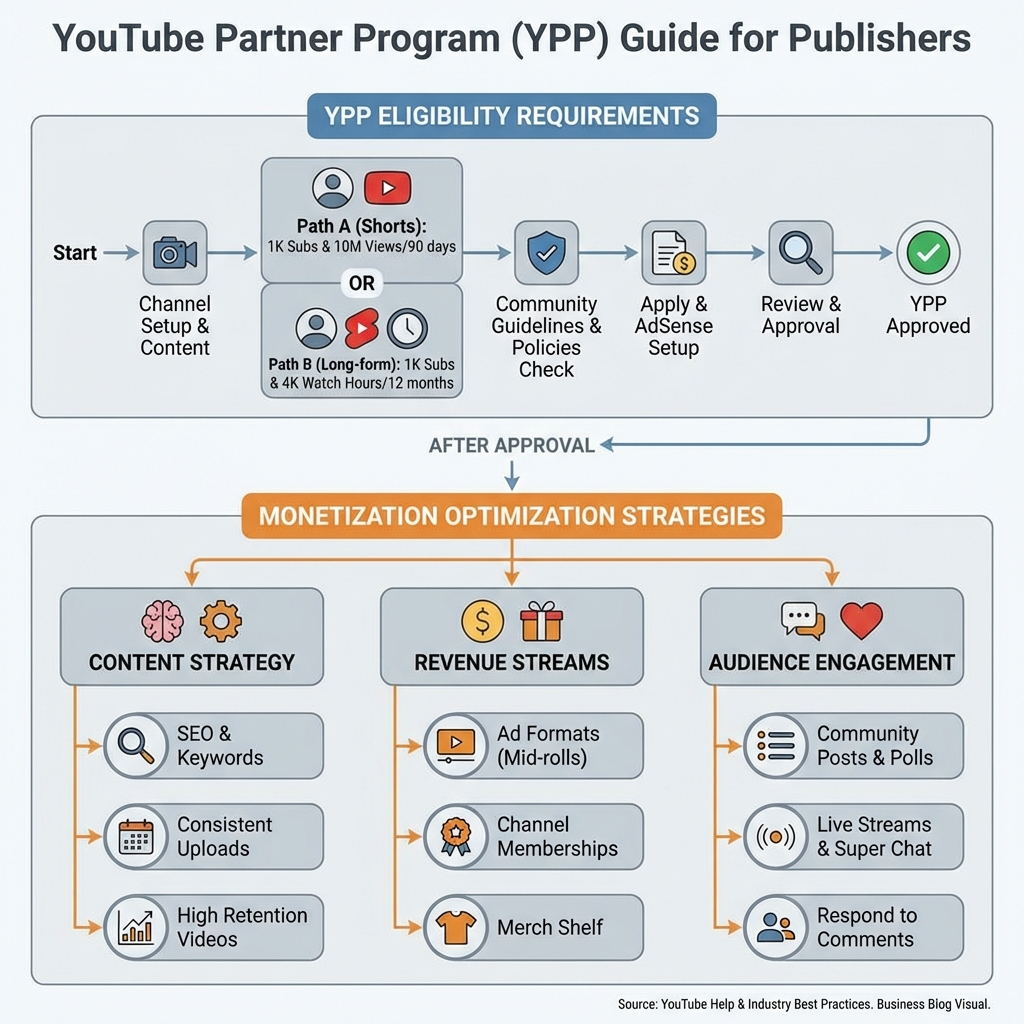
The YouTube Partner Program (YPP) forms the foundation of YouTube Studio monetization. To qualify, channels must meet specific eligibility requirements: 1,000 subscribers, 4,000 watch hours in the past 12 months (or 10 million valid public Shorts views), compliance with monetization policies, and residence in an eligible country.
Once accepted into YPP, publishers gain access to various monetization tools including display ads, overlay ads, skippable and non-skippable video ads, bumper ads, and sponsored cards. Each ad format serves different strategic purposes in maximizing revenue while balancing viewer experience.
Revenue Sharing Model
YouTube operates on a revenue sharing model where creators receive 55% of ad revenue generated from their content, while YouTube retains 45%. For YouTube Shorts, the revenue split is 45% to creators and 55% to YouTube. Understanding this structure is crucial for publishers calculating potential returns and comparing YouTube monetization against other video platforms.
Ad Formats and Implementation Strategies
Pre-roll and Mid-roll Advertising
Pre-roll ads appear before video content begins, while mid-roll ads interrupt content at natural break points. YouTube’s algorithm automatically determines optimal ad placement based on content length, viewer behavior, and engagement metrics. Videos longer than 8 minutes are eligible for mid-roll ads, which typically generate higher revenue per view due to committed viewer engagement.
Publishers should strategically plan content structure to accommodate mid-roll placements without disrupting viewer experience. Natural transition points, chapter breaks, or topic changes provide ideal mid-roll opportunities.
Display and Overlay Advertising
Display ads appear alongside video content, while overlay ads appear as semi-transparent banners over video content. These formats provide additional revenue streams without interrupting video playback, making them valuable for maintaining viewer retention while maximizing monetization.
YouTube Shorts Monetization
YouTube Shorts represents a rapidly growing monetization opportunity, with the platform sharing advertising revenue from the Shorts Fund. Publishers should consider incorporating short-form content into their strategy, as Shorts often achieve higher organic reach and can drive traffic to longer-form monetized content.
Advanced Monetization Strategies
Channel Memberships and Super Features
Beyond traditional advertising, YouTube Studio offers direct monetization through channel memberships, Super Chat, Super Thanks, and Super Stickers. These features enable publishers to diversify revenue streams and reduce dependence on advertising fluctuations.
Channel memberships require 1,000 subscribers and provide recurring revenue through monthly subscriptions. Publishers can offer exclusive perks, content, or community access to justify membership value propositions.
Merchandise Integration
YouTube’s merchandise shelf allows eligible creators to showcase official branded merchandise directly below their videos. This feature requires partnership with approved merchandise providers and can significantly boost revenue for publishers with engaged audiences.
Brand Partnerships and Sponsored Content
While not directly managed through YouTube Studio, branded content and sponsorships represent substantial revenue opportunities. Publishers must properly disclose sponsored content using YouTube’s built-in disclosure tools to maintain transparency and compliance.
Analytics and Performance Optimization
Revenue Analytics Deep Dive
YouTube Studio’s analytics provide comprehensive revenue insights including estimated revenue, revenue per mille (RPM), cost per mille (CPM), and playback-based CPM. Understanding these metrics enables publishers to optimize content strategy and maximize earnings.
RPM represents total revenue divided by total views, providing a holistic view of monetization effectiveness. CPM indicates advertiser demand and can vary significantly based on content category, audience demographics, and seasonal factors.
Audience Retention and Monetization
Viewer retention directly impacts monetization potential, as longer watch times increase ad impression opportunities and signal content quality to YouTube’s algorithm. Publishers should analyze audience retention graphs to identify drop-off points and optimize content pacing accordingly.
Geographic and Demographic Analysis
Revenue varies significantly across geographic regions and audience demographics. Publishers should analyze revenue by geography to understand market value and consider content localization strategies for high-value markets.
Technical Implementation and Ad Serving
YouTube’s Ad Serving Technology
YouTube utilizes sophisticated ad serving technology that considers viewer behavior, content context, advertiser targeting parameters, and historical performance data. Publishers have limited direct control over ad serving decisions, but content optimization and audience development significantly influence ad quality and revenue.
Integration with External Platforms
While YouTube Studio provides comprehensive monetization tools, publishers often integrate YouTube content with external video players and ad serving solutions. Solutions like Veedmo offer publishers additional control over video monetization across multiple platforms while maintaining YouTube as a primary distribution channel.
VAST and Video Ad Standards
Although publishers don’t directly implement VAST (Video Ad Serving Template) tags within YouTube Studio, understanding video advertising standards becomes crucial when expanding monetization strategies beyond YouTube’s ecosystem.
Troubleshooting Common Monetization Issues
Demonetization and Policy Compliance
Content policy violations represent the most common monetization challenge. YouTube’s automated systems and human reviewers continuously evaluate content for advertiser-friendly guidelines. Publishers should maintain thorough understanding of content policies and implement review processes to prevent demonetization.
Revenue Fluctuations
Monetization revenue experiences natural fluctuations based on seasonal advertising spend, audience engagement patterns, and market conditions. Publishers should track long-term trends rather than daily variations and diversify revenue streams to minimize volatility impact.
Appeal Processes
When monetization issues arise, YouTube Studio provides appeal mechanisms for policy violations and demonetization decisions. Understanding proper appeal procedures and maintaining detailed documentation supports successful dispute resolution.
Optimization Best Practices
Content Strategy for Maximum Revenue
Successful monetization requires aligning content strategy with advertiser preferences while maintaining audience engagement. Evergreen content performs well for long-term monetization, while trending topics can generate short-term revenue spikes.
SEO and Discovery Optimization
Video SEO significantly impacts monetization potential by increasing organic reach and view counts. Optimizing titles, descriptions, tags, and thumbnails improves discoverability and subsequently increases ad impression opportunities.
Community Building and Engagement
Building engaged communities increases lifetime viewer value and supports multiple monetization streams. Publishers should actively engage with comments, create community posts, and foster audience relationships beyond individual videos.
Future Trends and Industry Evolution
Connected TV and YouTube Integration
As viewers increasingly consume YouTube content on connected TV devices, monetization opportunities expand into premium video advertising territory. CTV viewing typically commands higher CPMs and provides new audience segments for publishers.
Programmatic Integration
YouTube continues expanding programmatic advertising capabilities, allowing advertisers more sophisticated targeting and bidding options. This evolution benefits publishers through increased advertiser competition and potentially higher revenue.
Short-Form Content Monetization
The success of YouTube Shorts indicates continued investment in short-form content monetization. Publishers should prepare for evolving short-form advertising formats and revenue sharing models.
Conclusion
YouTube Studio monetization offers publishers comprehensive tools for video content monetization, but success requires strategic planning, consistent optimization, and deep understanding of platform mechanics. By leveraging multiple revenue streams, maintaining content quality, and staying current with platform updates, publishers can build sustainable and profitable video monetization strategies.
The key to maximizing YouTube Studio monetization lies in balancing advertiser requirements, viewer experience, and content authenticity. Publishers who master this balance while continuously optimizing based on analytics insights will find YouTube Studio an invaluable component of their overall video monetization strategy.