Understanding YouTube Monetization Fundamentals
YouTube monetization has evolved into a sophisticated ecosystem that extends far beyond simple ad revenue sharing. For publishers and ad operations professionals, understanding the intricacies of YouTube’s monetization platform is crucial for maximizing revenue potential and building sustainable content strategies.
The YouTube Partner Program (YPP) serves as the gateway to monetization, but achieving and maintaining monetized status requires strategic planning, consistent execution, and deep understanding of YouTube’s algorithms and policies. This comprehensive guide will walk you through every aspect of YouTube monetization, from meeting initial requirements to implementing advanced revenue optimization strategies.
YouTube Partner Program Requirements
Eligibility Criteria
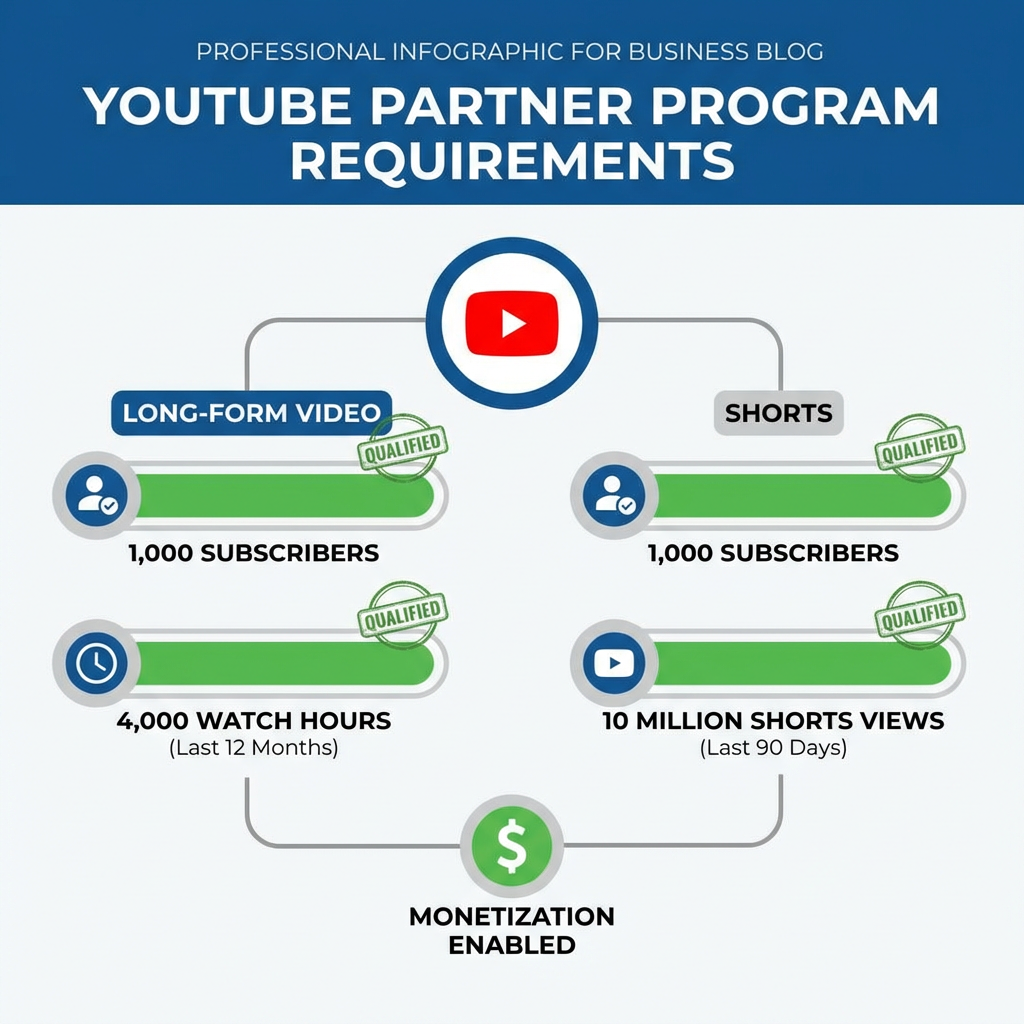
To qualify for YouTube monetization, creators must meet specific threshold requirements that YouTube has established to ensure content quality and audience engagement:
Subscriber Requirements:
- Minimum 1,000 subscribers
- 4,000 valid public watch hours in the past 12 months, OR
- 10 million valid public Shorts views in the past 90 days
Geographic Availability: The YouTube Partner Program is available in over 100 countries and territories. However, availability can vary based on local regulations and YouTube’s operational capacity in specific regions.
Content Compliance: All content must adhere to YouTube’s Community Guidelines, Terms of Service, and AdSense policies. Channels with strikes or policy violations may face delays or rejections in the monetization approval process.
Application Process
Once eligibility requirements are met, the application process involves several critical steps:
- Channel Review: YouTube conducts a comprehensive review of your channel’s content, ensuring compliance with all policies
- AdSense Account Linking: Connect an approved Google AdSense account to handle payment processing
- Tax Information: Provide necessary tax documentation based on your location and revenue thresholds
- Payment Setup: Configure payment methods and minimum payout thresholds
Revenue Streams and Monetization Options
Traditional Ad Revenue
Pre-roll and Mid-roll Advertising: YouTube’s primary monetization method involves displaying ads before, during, or after video content. Publishers typically earn 55% of ad revenue, with YouTube retaining 45%. Ad performance depends on factors including:
- Content category and advertiser demand
- Audience demographics and geographic location
- Seasonal advertising trends
- Video length and engagement metrics
Display and Overlay Ads: These appear alongside video content and can provide additional revenue streams, particularly for longer-form content where viewers spend extended time on the page.
YouTube Shorts Fund and Creator Economy
Shorts Monetization: YouTube has introduced specific monetization pathways for Shorts content, recognizing the growing importance of short-form video. The Shorts Fund distributes millions of dollars monthly to eligible creators based on performance metrics.
Super Chat and Super Thanks: These features allow viewers to purchase highlighted messages during live streams or leave paid thanks on videos, creating direct creator-to-audience monetization opportunities.
Membership and Subscription Models
Channel Memberships: Once channels reach 1,000 subscribers, creators can offer paid memberships with perks like exclusive content, custom emojis, and member-only community posts.
Premium Content Strategy: Many publishers use YouTube as a funnel to premium content platforms, leveraging YouTube’s discovery algorithms to drive traffic to higher-value subscription services.
Content Optimization for Maximum Revenue
Audience Retention and Engagement
Watch Time Optimization: YouTube’s algorithm heavily weights watch time when determining video promotion and ad placement. Publishers should focus on:
- Creating compelling openings that hook viewers within the first 15 seconds
- Using pattern interrupts and visual variety to maintain attention
- Implementing storytelling structures that encourage complete viewing
- Analyzing audience retention graphs to identify drop-off points
Engagement Metrics: Likes, comments, shares, and click-through rates all influence monetization potential. Publishers should actively encourage engagement through:
- Clear calls-to-action throughout videos
- Responding to comments to boost engagement signals
- Creating content that naturally encourages discussion
- Using end screens and cards to promote related content
SEO and Discoverability
Keyword Optimization: Effective YouTube SEO involves optimizing titles, descriptions, and tags for both YouTube’s search algorithm and Google’s video search results. Key strategies include:
- Researching high-volume, low-competition keywords using tools like YouTube Analytics and Google Trends
- Creating compelling thumbnails that improve click-through rates
- Writing detailed descriptions that provide context and include relevant keywords
- Using timestamps and chapters to improve user experience and searchability
Content Categories and Niches: Certain content categories command higher advertising rates due to advertiser demand. Technology, finance, business, and educational content typically generate higher CPMs (cost per mille) compared to entertainment or gaming content.
Advanced Monetization Strategies
Programmatic Advertising Integration
While YouTube handles ad serving internally, understanding programmatic principles can help publishers optimize their broader video strategy. Many publishers use YouTube as part of a larger video ecosystem that includes their own properties where they can implement advanced ad serving solutions.
For publishers managing their own video content across multiple platforms, solutions like Veedmo provide sophisticated video player technology that enables more granular control over ad serving and revenue optimization beyond YouTube’s platform.
Multi-Platform Revenue Optimization
Cross-Platform Promotion: Successful publishers often use YouTube as an anchor platform while diversifying revenue across multiple channels:
- Repurposing YouTube content for other platforms with different monetization models
- Using YouTube’s audience insights to inform content strategy across all platforms
- Leveraging YouTube’s discovery power to build audiences that can be monetized elsewhere
Brand Partnership Integration: Beyond AdSense revenue, many publishers integrate sponsored content and brand partnerships. This requires careful balance to maintain audience trust while maximizing revenue opportunities.
Analytics and Performance Optimization
Revenue Analytics: YouTube Analytics provides detailed revenue reporting that publishers should monitor regularly:
- RPM (Revenue Per Mille) tracking across different content types
- Geographic revenue analysis to understand audience value
- Traffic source performance to optimize content distribution
- Seasonal trend analysis for budget planning and content scheduling
A/B Testing Strategies: Successful publishers continuously test different approaches:
- Thumbnail and title variations to improve click-through rates
- Video length optimization for different content types
- Upload timing to maximize initial engagement
- Content format testing to identify high-performing video types
Common Challenges and Solutions
Demonetization and Policy Compliance
Content Guidelines: Maintaining monetization status requires ongoing attention to YouTube’s evolving policies. Common issues include:
- Copyright claims that can impact revenue sharing
- Community guideline strikes that threaten monetization status
- Advertiser-friendly content requirements that may limit creative freedom
- Regular policy updates that require content strategy adjustments
Appeal and Recovery Processes: When monetization issues arise, publishers should understand the appeal processes and maintain detailed documentation of their content creation and compliance efforts.
Revenue Fluctuations
Seasonal Variations: Advertising spend typically peaks during Q4 (holiday season) and experiences lows during summer months. Publishers should plan content calendars and financial projections accordingly.
Algorithm Changes: YouTube regularly updates its recommendation algorithms, which can impact video performance and revenue. Successful publishers maintain diverse content portfolios and stay informed about platform changes.
Future of YouTube Monetization
Emerging Technologies
YouTube continues to invest in new monetization features:
- Enhanced live streaming monetization tools
- Integration with e-commerce platforms for direct product sales
- Improved analytics and audience insights for better targeting
- Virtual and augmented reality content monetization opportunities
Industry Trends
The video advertising landscape continues to evolve with trends including:
- Increased focus on Connected TV (CTV) and streaming platform integration
- Growing importance of first-party data for audience targeting
- Rising demand for authentic, creator-driven content
- Integration of shopping and commerce features within video platforms
Conclusion
Successful YouTube monetization requires a strategic approach that goes beyond simply meeting minimum requirements. Publishers must focus on creating high-quality, engaging content while understanding the technical and business aspects of digital video advertising.
The key to long-term success lies in building a sustainable content strategy that serves both audience needs and business objectives. By focusing on audience retention, optimizing for discovery, and staying current with platform changes, publishers can build thriving monetized YouTube channels that generate consistent revenue.
As the digital video landscape continues to evolve, successful publishers will be those who adapt quickly to new opportunities while maintaining the fundamental principles of audience-first content creation and strategic revenue optimization.