What is the YouTube Partner Program?
The YouTube Partner Program (YPP) is Google’s revenue-sharing initiative that enables content creators and publishers to monetize their video content through various advertising formats. Launched in 2007, YPP has evolved into one of the most significant monetization platforms in the digital video ecosystem, serving over 2 billion logged-in monthly users and generating billions in creator revenue annually.
For publishers and ad operations professionals, understanding YPP’s mechanics is crucial for developing comprehensive video monetization strategies. The program operates on a revenue-sharing model where YouTube takes a 45% cut of ad revenue, while creators and publishers retain 55% of the earnings generated from their content.
YouTube Partner Program Eligibility Requirements
Basic Eligibility Criteria
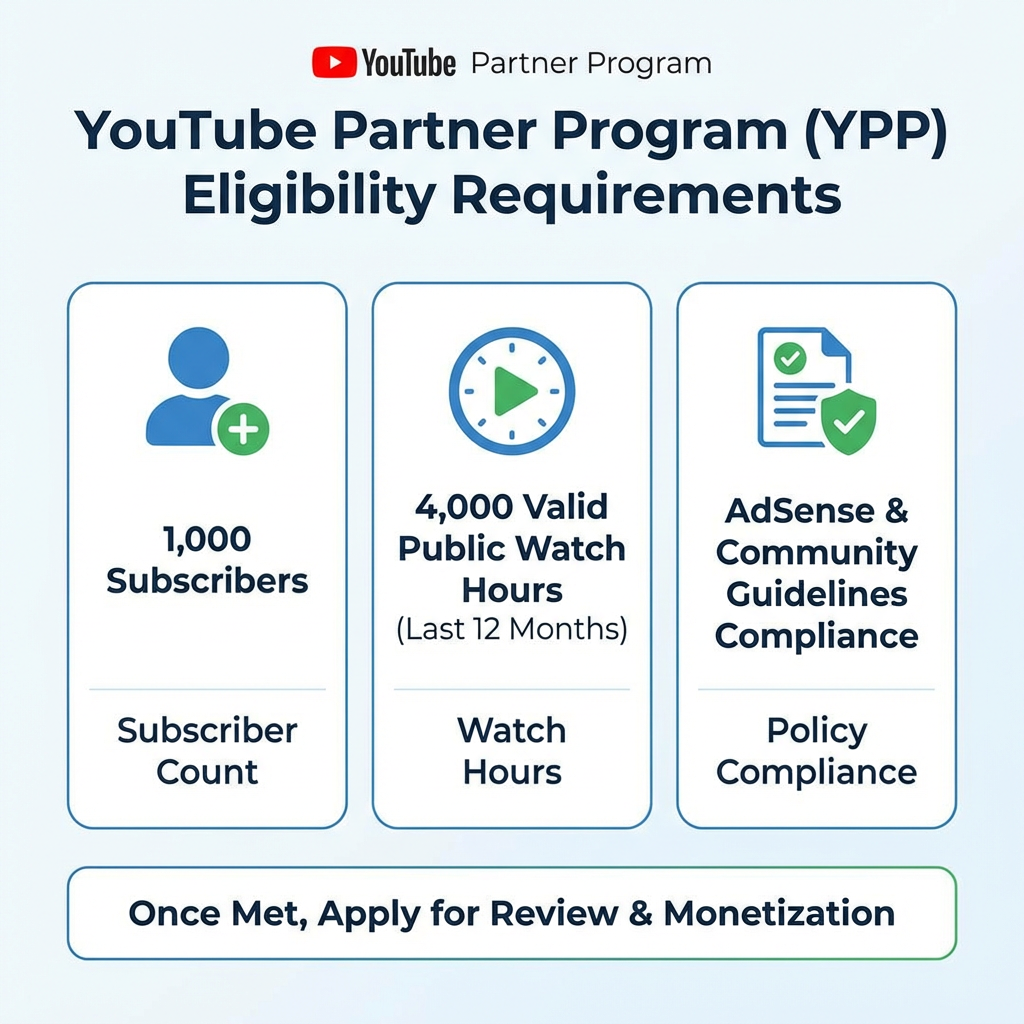
To join the YouTube Partner Program, channels must meet specific thresholds that demonstrate audience engagement and content quality:
- 1,000 subscribers minimum
- 4,000 valid public watch hours in the previous 12 months OR 10 million valid public Shorts views in the previous 90 days
- Live in a country/region where YPP is available
- No active Community Guidelines strikes
- Two-factor authentication enabled
- Zero active copyright strikes
- Follow YouTube’s monetization policies
Advanced Requirements for Different Monetization Features
Different revenue streams within YPP have varying requirements:
Channel Memberships: 1,000 subscribers and eligibility for YPP Super Chat and Super Thanks: YPP eligibility and live streaming capability YouTube Shorts Fund: Invitation-only based on Shorts performance Merchandise Shelf: 10,000 subscribers and YPP eligibility
Monetization Features and Ad Formats
Display and Overlay Advertising
YouTube’s primary monetization method involves various ad formats integrated into the viewing experience:
Pre-roll Ads: Video advertisements that play before the main content begins. These skippable or non-skippable ads typically range from 15-30 seconds and generate revenue based on CPM (cost per thousand impressions) or CPC (cost per click) models.
Mid-roll Ads: Advertisements inserted during longer videos (8+ minutes), similar to traditional TV commercial breaks. Publishers can enable automatic ad placement or manually insert ad breaks for optimal user experience and revenue generation.
Display Ads: Banner advertisements appearing alongside video content, particularly effective on desktop viewing experiences. These ads complement video advertising without interrupting the viewing experience.
Overlay Ads: Semi-transparent advertisements that appear over video content, providing additional revenue opportunities without requiring separate ad inventory slots.
Advanced Monetization Options
YouTube Premium Revenue: Publishers receive a share of YouTube Premium subscription fees based on watch time from Premium subscribers, providing a stable revenue stream independent of traditional advertising.
Channel Memberships: Subscription-based monetization allowing viewers to pay monthly fees for exclusive content, badges, and community features. This recurring revenue model provides predictable income streams for publishers.
Super Chat and Super Thanks: Live streaming monetization features enabling viewer donations during live broadcasts and regular video premieres.
Revenue Optimization Strategies for Publishers
Content Strategy and Ad Performance
Successful YPP monetization requires strategic content planning aligned with advertiser-friendly guidelines:
Content Categories with High CPMs:
- Finance and investing content
- Technology and software tutorials
- Business and entrepreneurship
- Health and wellness (compliant content)
- Educational and how-to content
Audience Demographics Optimization:
- Target high-value geographic markets (US, UK, Canada, Australia)
- Create content appealing to 25-54 age demographics
- Develop niche content for specific professional audiences
Technical Implementation Best Practices
Video Length Optimization: Videos longer than 8 minutes enable mid-roll advertising, significantly increasing revenue potential. Analytics show that 10-15 minute videos often achieve optimal balance between engagement and monetization.
Thumbnail and Title Optimization: Higher click-through rates directly impact ad revenue through increased impressions and watch time. A/B testing thumbnails and titles can improve performance by 15-25%.
Playlist Strategy: Organizing content into playlists increases session duration, leading to more ad impressions and higher overall revenue per viewer.
Analytics and Performance Monitoring
YouTube Analytics provides comprehensive monetization data:
Revenue Metrics:
- RPM (Revenue Per Mille): Total revenue per 1,000 views
- CPM (Cost Per Mille): Advertiser cost per 1,000 impressions
- Ad revenue vs. other revenue sources
- Geographic revenue breakdown
Performance Indicators:
- Average view duration
- Click-through rates on ads
- Subscriber growth correlation with revenue
- Seasonal revenue patterns
Integration with Broader Video Advertising Ecosystem
Programmatic Integration Opportunities
While YouTube operates its own advertising ecosystem, publishers can leverage YPP insights for broader programmatic strategies. Understanding YouTube audience behavior and content performance helps inform programmatic video advertising campaigns across other platforms.
Publishers operating their own video content alongside YouTube channels can apply YPP learnings to optimize their independent video player implementations. For instance, publishers using solutions like Veedmo for their website video players can apply YouTube-derived audience insights to improve their direct programmatic monetization strategies.
Cross-Platform Revenue Diversification
Smart publishers don’t rely solely on YPP for video monetization:
Direct Advertising Sales: Building relationships with advertisers for sponsored content and direct placements Affiliate Marketing Integration: Incorporating affiliate links and partnerships within YouTube content Product Placement and Brand Partnerships: Developing long-term relationships with brands for integrated advertising Email List Building: Using YouTube traffic to build email subscribers for direct marketing
Compliance and Policy Considerations
Advertiser-Friendly Content Guidelines
YouTube’s advertiser-friendly content guidelines significantly impact monetization potential:
Fully Monetizable Content:
- Educational and informational content
- Comedy and entertainment (appropriate language)
- Music and arts content
- Gaming content (age-appropriate)
- News and current events (objective reporting)
Limited or No Monetization:
- Content with strong profanity
- Violence or graphic content
- Controversial or sensitive topics
- Content targeting children (COPPA compliance)
- Copyright-disputed content
GDPR and Privacy Compliance
European publishers must ensure GDPR compliance affects ad revenue:
- Personalized ads generate higher CPMs than non-personalized ads
- Consent management impacts ad targeting effectiveness
- Privacy-focused viewers may generate lower ad revenue
- Transparency reporting requirements for data usage
Advanced Revenue Optimization Techniques
Seasonal and Trend Capitalization
Successful YPP publishers develop content calendars aligned with advertiser spending patterns:
High-Value Advertising Periods:
- Q4 holiday shopping season (November-December)
- Back-to-school period (August-September)
- New Year resolution content (January)
- Tax season for finance content (March-April)
Community Building for Long-Term Revenue
Engagement Strategy:
- Regular community posts and updates
- Responding to comments to boost engagement signals
- Creating series content to encourage return viewership
- Cross-promoting content across social media platforms
Subscriber Retention:
- Consistent upload schedules
- Quality over quantity content approach
- Audience feedback integration
- Collaborative content with other creators
Technical Integration and Ad Operations
Revenue Tracking and Reporting
Professional publishers integrate YouTube revenue data with broader business intelligence systems:
API Integration: YouTube Analytics API enables automated reporting and data integration with other revenue sources Attribution Modeling: Understanding how YouTube traffic contributes to overall business objectives Lifetime Value Calculation: Measuring long-term subscriber value beyond immediate ad revenue
Multi-Channel Network (MCN) Considerations
Larger publishers may benefit from MCN partnerships:
Advantages:
- Enhanced analytics and optimization tools
- Brand partnership opportunities
- Copyright protection services
- Revenue advancement programs
Disadvantages:
- Additional revenue sharing (typically 10-30%)
- Less direct control over monetization settings
- Contract obligations and exclusivity requirements
Future Trends and Opportunities
YouTube Shorts Monetization
YouTube’s response to TikTok’s growth includes expanding Shorts monetization:
- Shorts Fund distribution based on performance
- Integration with traditional YPP revenue sharing
- New advertising formats specific to vertical video content
- Enhanced creator tools for short-form content
Connected TV and YouTube TV Integration
As CTV advertising grows, YouTube’s integration with television viewing presents new opportunities:
- Higher CPMs for TV-viewed content
- Different audience demographics and behavior patterns
- Premium advertising inventory opportunities
- Cross-device tracking and attribution
Conclusion
The YouTube Partner Program represents a cornerstone of video monetization for publishers worldwide. Success requires understanding eligibility requirements, optimizing content for advertiser preferences, and integrating YPP strategy with broader video advertising initiatives.
For ad operations professionals, YPP offers insights into audience behavior, content performance, and video advertising trends that inform broader programmatic strategies. The key to maximizing YPP revenue lies in consistent content creation, audience engagement, and strategic optimization based on performance data.
As the video advertising ecosystem continues evolving, publishers who master YPP fundamentals while diversifying their monetization strategies will be best positioned for long-term success in the competitive digital video landscape.