Fastest Way to Get Subscribers on YouTube: Publisher’s Guide to Video Monetization
For publishers and ad ops professionals, building a substantial YouTube subscriber base isn’t just about vanity metrics—it’s about creating sustainable revenue streams through programmatic video advertising. Growing subscribers rapidly while maintaining monetization-friendly content requires a strategic approach that balances audience engagement with advertiser requirements.
Understanding YouTube’s Algorithm and Monetization Framework
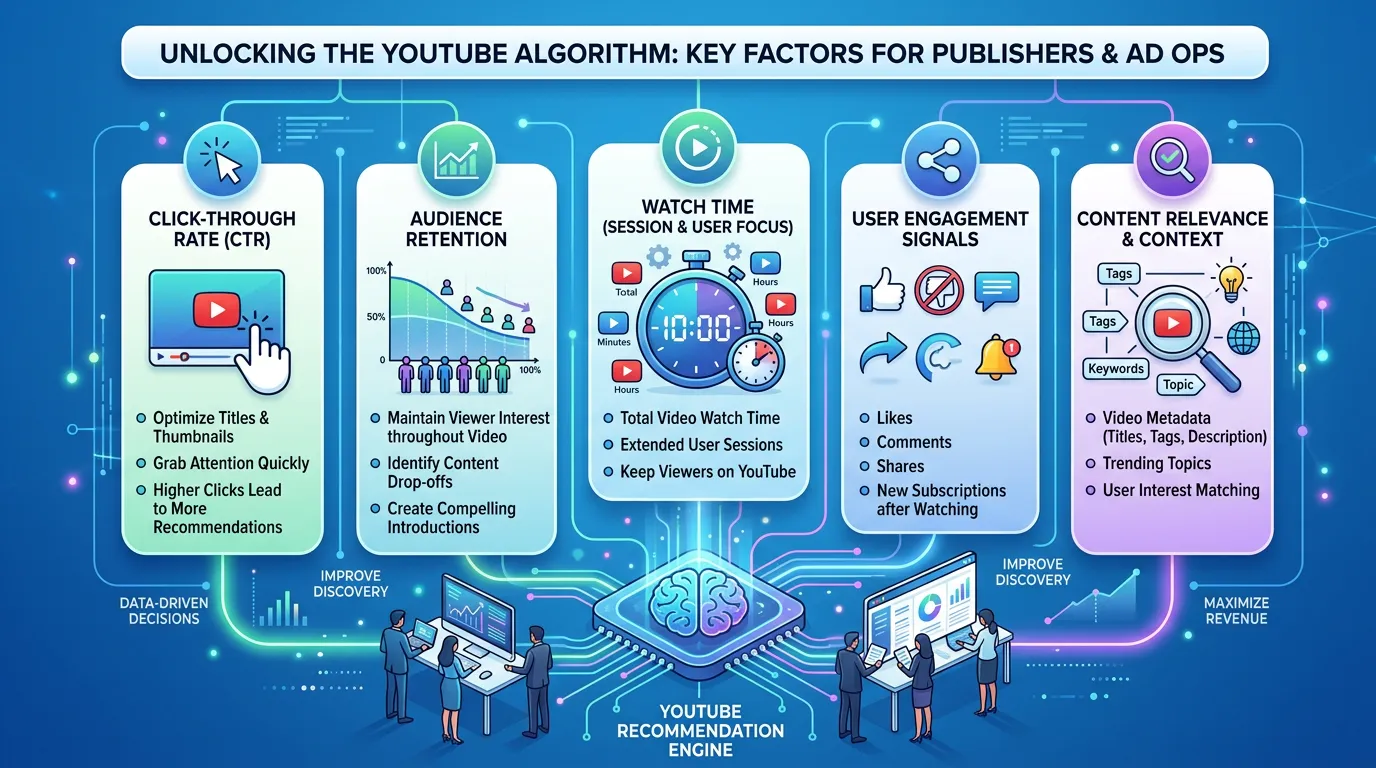
YouTube’s recommendation algorithm prioritizes content that keeps viewers engaged and watching for longer periods. For publishers, this means creating content that not only attracts subscribers but also meets the platform’s monetization standards and appeals to programmatic advertisers.
Key Algorithm Factors for Publishers
The YouTube algorithm considers several factors that directly impact both subscriber growth and ad revenue potential:
Watch Time and Session Duration: Content that keeps viewers on the platform longer receives higher visibility. Publishers should aim for 8-15 minute videos, which provide optimal pre-roll and mid-roll ad placement opportunities without overwhelming viewers.
Click-Through Rate (CTR): Thumbnails and titles that achieve 4-10% CTR typically perform well. Publishers should A/B test thumbnails with contrasting colors and clear value propositions that appeal to both viewers and brand safety requirements.
Audience Retention: Videos maintaining 50%+ average view duration signal high-quality content to both YouTube’s algorithm and programmatic advertisers seeking premium inventory.
Content Strategy for Rapid Subscriber Growth
Identifying High-Value Niches
Publishers should focus on evergreen content categories that attract both engaged audiences and premium advertising demand:
Technology and Business: Content covering industry trends, software tutorials, and business insights typically commands higher CPMs ($3-8) due to advertiser demand from B2B companies.
Finance and Investment: Financial content attracts high-value advertisers but requires careful adherence to YouTube’s financial advice policies to maintain monetization eligibility.
Education and How-To: Tutorial content generates consistent long-term views and appeals to advertisers across multiple verticals, making it ideal for programmatic monetization.
Content Optimization for Monetization
Successful publishers optimize content structure to maximize both subscriber growth and ad revenue:
Strategic Ad Break Placement: Plan content with natural breaks every 3-4 minutes for mid-roll ad insertion. This approach increases overall ad inventory without negatively impacting viewer experience.
Brand Safety Considerations: Avoid controversial topics, explicit language, and sensitive subjects that may limit programmatic demand. Content should align with IAB content categories that attract premium advertisers.
Audience Demographics: Create content targeting demographics valued by advertisers, particularly the 25-54 age group with disposable income.
Technical Implementation for Publishers
Channel Optimization
Proper technical setup ensures maximum visibility and monetization potential:
Channel Verification: Complete phone verification, enable custom thumbnails, and upload videos longer than 15 minutes to access advanced monetization features.
YouTube Studio Configuration: Set up automatic ad placement, enable all ad formats (pre-roll, mid-roll, overlay, sponsored cards), and configure demographic targeting preferences.
Analytics Integration: Connect Google Analytics and Google Ad Manager to track audience behavior and optimize programmatic revenue across platforms.
Video SEO Implementation
Keyword Strategy: Research high-volume, low-competition keywords using tools like TubeBuddy or VidIQ. Target keywords with 10K-100K monthly searches for optimal discoverability.
Metadata Optimization:
- Titles: Include primary keyword within first 60 characters
- Descriptions: Front-load keywords in first 125 characters, include relevant hashtags
- Tags: Use 8-12 relevant tags mixing broad and specific terms
Closed Captions: Upload accurate transcripts to improve accessibility and SEO, while providing additional context for programmatic ad targeting.
Programmatic Advertising Integration
Beyond YouTube Partner Program
While YouTube’s Partner Program provides baseline monetization, publishers can maximize revenue through additional strategies:
Cross-Platform Distribution: Repurpose YouTube content for other platforms using video player solutions like Veedmo to maintain consistent branding and monetization across owned properties.
Direct Advertiser Relationships: Build relationships with brands in your niche for sponsored content and product placements that complement programmatic revenue.
Email List Integration: Use YouTube content to drive email subscriptions, creating additional monetization opportunities through newsletter sponsorships and direct sales.
Rapid Growth Tactics for Publishers
Content Series and Consistency
Series-Based Content: Create multi-part series that encourage subscription for future episodes. This approach increases subscriber conversion rates by 30-40% compared to standalone videos.
Publishing Schedule: Maintain consistent upload schedules (2-3 videos weekly minimum) to satisfy algorithm preferences and advertiser inventory requirements.
Seasonal Content Planning: Align content calendar with advertising spend patterns (Q4 holiday season, back-to-school, etc.) to maximize revenue during high-demand periods.
Community Engagement Strategies
Comment Management: Respond to comments within first 2 hours of publication to boost engagement signals. Use pinned comments to drive specific actions (subscription, notification bell activation).
Community Posts: Leverage YouTube’s Community tab to share behind-the-scenes content, polls, and updates that keep subscribers engaged between video uploads.
Live Streaming: Regular live streams can increase subscriber growth by 200-300% when properly promoted, while providing additional super chat monetization opportunities.
Cross-Platform Promotion
Social Media Integration: Share teaser content on Twitter, LinkedIn, and Instagram to drive YouTube traffic. Each platform should highlight different value propositions to maximize conversion.
Industry Collaborations: Partner with other publishers for guest appearances, collaborative content, and cross-promotion that expands reach within target demographics.
Content Syndication: Distribute shortened versions or highlights across multiple platforms while driving traffic back to full YouTube content.
Analytics and Optimization
Key Performance Indicators
Publishers should monitor specific metrics that correlate with both subscriber growth and revenue optimization:
Revenue Per Mille (RPM): Track RPM trends alongside subscriber growth to ensure quality audience acquisition. Target RPM should increase or maintain levels above $2-4 for most niches.
Subscriber-to-View Ratio: Healthy channels maintain 10-15% of views coming from subscribers. Higher ratios indicate strong subscriber engagement and retention.
Traffic Source Analysis: Monitor discovery sources to optimize content for highest-converting channels (suggested videos, search, external traffic).
A/B Testing Framework
Thumbnail Testing: Test multiple thumbnail variations for each video, measuring both CTR and subscriber conversion rates. High-performing thumbnails can increase subscribers by 25-50%.
Title Optimization: Test different title formats (question-based, number-driven, emotional triggers) to identify what resonates with your target demographic.
Publishing Time Analysis: Experiment with different publishing times to maximize initial engagement, which significantly impacts algorithm distribution and subscriber growth.
Common Pitfalls and Solutions
Avoiding Algorithm Penalties
Subscriber Purchase Warning: Purchasing fake subscribers violates YouTube’s terms of service and can result in channel termination. Focus on organic growth strategies that build genuine engagement.
Content Consistency: Dramatic shifts in content topics can confuse the algorithm and existing subscribers. Gradual topic evolution maintains audience retention while attracting new viewers.
Engagement Manipulation: Avoid subscribe-for-subscribe schemes and artificial engagement tactics that may trigger algorithm penalties and reduce organic reach.
Maintaining Brand Safety
Content Guidelines Compliance: Regularly review YouTube’s advertiser-friendly content guidelines to ensure continued monetization eligibility as policies evolve.
Comment Moderation: Implement comment filtering and moderation to prevent inappropriate content that could impact advertiser demand for your inventory.
Copyright Management: Use YouTube’s copyright tools and obtain proper licensing for music and footage to avoid demonetization and potential channel strikes.
Scaling and Long-Term Strategy
Revenue Diversification
Successful publishers develop multiple revenue streams beyond YouTube ad revenue:
Merchandise and Products: Launch branded products once reaching 10K+ subscribers to leverage audience trust and engagement.
Premium Content: Develop exclusive content for channel members or external platforms to increase average revenue per user.
Consulting and Services: Use YouTube presence to establish thought leadership and drive business development opportunities.
Team Building and Delegation
Content Production Scaling: Hire editors, thumbnail designers, and researchers to maintain publishing consistency while focusing on strategy and growth.
Community Management: Delegate comment management and community engagement to maintain responsiveness as subscriber counts grow.
Analytics and Optimization: Work with data analysts to identify growth opportunities and optimize monetization strategies across all content.
Conclusion
Rapid YouTube subscriber growth for publishers requires a comprehensive approach that balances audience development with monetization optimization. By focusing on high-quality, advertiser-friendly content, implementing proper technical SEO, and maintaining consistent publishing schedules, publishers can achieve sustainable subscriber growth while building valuable programmatic advertising inventory.
Success on YouTube isn’t just about subscriber count—it’s about building an engaged audience that generates consistent revenue through multiple monetization channels. Publishers who combine strategic content creation with proper technical implementation and data-driven optimization will see the fastest, most sustainable subscriber growth while maximizing long-term revenue potential.