How to Get YouTube Subscribers Fast: A Publisher’s Guide to Video Content and Monetization
For publishers and ad ops professionals, growing a YouTube subscriber base isn’t just about vanity metrics—it’s a critical component of a comprehensive video monetization strategy. With over 2 billion logged-in monthly users, YouTube represents one of the largest opportunities for publishers to diversify their revenue streams and expand their audience reach. This comprehensive guide explores proven strategies to rapidly increase YouTube subscribers while building sustainable monetization frameworks.
Understanding the YouTube Algorithm for Publishers
How YouTube Prioritizes Content
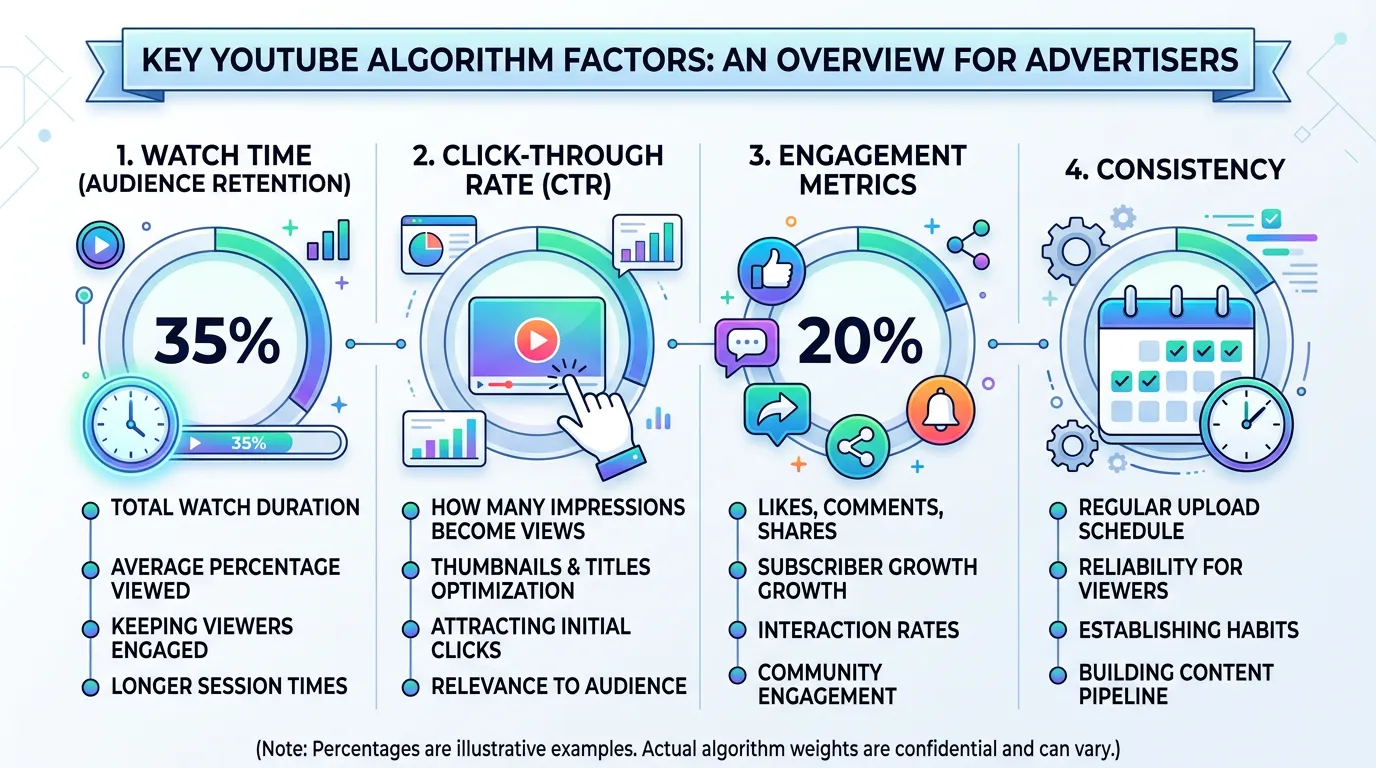
YouTube’s recommendation algorithm considers several key factors that publishers must understand to accelerate subscriber growth:
- Watch time and session duration: The algorithm favors content that keeps viewers engaged for longer periods
- Click-through rates (CTR): Higher CTRs signal content relevance to YouTube’s systems
- Engagement metrics: Likes, comments, shares, and subscriber conversions after viewing
- Video velocity: How quickly a video gains views and engagement after publication
- Consistency: Regular upload schedules signal reliability to both viewers and the algorithm
Publishers should treat YouTube content creation with the same strategic approach as their primary website content, focusing on metrics that drive both subscriber growth and monetization potential.
The Publisher Advantage on YouTube
Established publishers have unique advantages when building YouTube audiences:
- Existing brand recognition: Leverage your publication’s reputation and expertise
- Content pipeline: Repurpose existing articles, interviews, and research into video format
- Industry connections: Access to experts, exclusive content, and newsworthy events
- Cross-platform promotion: Drive traffic between your website and YouTube channel
Strategic Content Planning for Rapid Growth
Content Pillars for Publishers
Successful publisher YouTube channels typically focus on 3-4 content pillars that align with their expertise:
- News and Analysis: Timely commentary on industry developments
- Educational Content: How-to guides and explainer videos
- Behind-the-Scenes: Newsroom tours, editorial meetings, journalist profiles
- Interactive Content: Q&A sessions, live streams, audience polls
Video Formats That Drive Subscriptions
Breaking News Coverage: Publishers can capitalize on trending topics by quickly producing video content around breaking news. These videos often see rapid view growth and can convert viewers into subscribers when they demonstrate unique insights or exclusive access.
Tutorial and Educational Series: Multi-part educational series encourage viewers to subscribe for future episodes. For example, a tech publication might create a “Digital Marketing Fundamentals” series, with each episode building on previous content.
Expert Interviews: Featuring industry leaders and thought leaders not only provides valuable content but also taps into their existing audiences, potentially driving new subscribers.
Optimization Techniques for Maximum Visibility
YouTube SEO Fundamentals
Keyword Research: Use tools like YouTube’s search suggest feature, Google Trends, and third-party platforms to identify high-volume, low-competition keywords relevant to your niche.
Title Optimization: Craft compelling titles that include target keywords while remaining clickable and engaging. Publishers should balance SEO optimization with editorial integrity.
Thumbnail Strategy: Create consistent, branded thumbnails that stand out in search results. A/B test different thumbnail styles to identify what resonates with your audience.
Description Optimization: Write detailed descriptions that include relevant keywords, timestamps, and links to related content on your website.
Technical Optimization for Publishers
Upload Quality: Always upload in the highest quality possible. YouTube prioritizes high-quality content in search results and recommendations.
End Screens and Cards: Strategically place end screens and cards to promote subscription and drive viewers to related content.
Playlists: Organize content into themed playlists to increase session duration and improve discoverability.
Monetization Integration and Ad Tech Considerations
YouTube Partner Program Optimization
Once eligible for the YouTube Partner Program (1,000 subscribers and 4,000 watch hours), publishers should optimize their ad settings:
- Ad placement strategy: Balance user experience with revenue potential
- Content categorization: Properly categorize content to attract premium advertisers
- Brand safety: Maintain content standards that appeal to high-value advertisers
Programmatic Integration Opportunities
Publishers with established programmatic relationships can leverage YouTube growth to enhance their overall video advertising strategy. While YouTube’s direct monetization is limited to their platform, the audience insights and engagement data can inform broader video content strategies across owned properties.
For publishers developing comprehensive video strategies, solutions like Veedmo can help implement advanced video players with programmatic capabilities on their owned properties, complementing their YouTube growth efforts with direct monetization opportunities.
Cross-Platform Monetization
Email List Building: Use YouTube content to drive email subscriptions for your primary publication Premium Content Promotion: Tease exclusive content available on your main platform Affiliate Marketing: Promote relevant products and services while maintaining editorial integrity Sponsored Content: Develop relationships with brands for integrated sponsorship opportunities
Advanced Growth Tactics for Publishers
Leveraging Industry Events and News Cycles
Real-Time Response: Quickly produce content responding to breaking news in your industry Conference Coverage: Create comprehensive video coverage of industry events Trend Analysis: Develop video series analyzing long-term trends in your sector
Collaboration Strategies
Cross-Publisher Partnerships: Collaborate with other reputable publishers for joint content Expert Partnerships: Develop ongoing relationships with industry experts for regular appearances Audience Cross-Pollination: Guest appear on other channels while hosting guests on yours
Community Building
Comment Engagement: Actively respond to comments to build community and signal engagement to YouTube’s algorithm Community Tab Usage: Use YouTube’s Community tab to share polls, behind-the-scenes content, and updates Live Streaming: Regular live streams can dramatically increase engagement and subscriber conversion rates
Analytics and Performance Measurement
Key Metrics for Publishers
Subscriber Velocity: Track not just total subscribers but the rate of growth over time Subscriber Conversion Rate: Measure how effectively your content converts viewers to subscribers Traffic Attribution: Use UTM parameters to track how YouTube drives traffic to your main platform Engagement Quality: Monitor comment sentiment and engagement depth, not just volume
Optimization Based on Data
Content Performance Analysis: Identify which content types and topics drive the most subscriber growth Audience Retention Optimization: Use YouTube Analytics to identify drop-off points and optimize future content Publishing Schedule Optimization: Test different posting schedules to identify when your audience is most active
Common Pitfalls and How to Avoid Them
Quality vs. Quantity Balance
While consistency is important, publishers must avoid sacrificing editorial quality for upload frequency. It’s better to publish high-quality content less frequently than to flood the platform with subpar videos.
Over-Promotion Risks
Aggressive self-promotion can backfire on YouTube. Focus on providing value first, with subtle promotion of your main platform integrated naturally into content.
Algorithm Dependency
Building a strategy too dependent on YouTube’s algorithm creates vulnerability to platform changes. Diversify traffic sources and always drive audience development back to owned properties.
Building Long-Term Sustainable Growth
Content Calendar Development
Develop a content calendar that balances:
- Evergreen content for long-term discovery
- Trending topics for immediate visibility
- Series content for subscriber retention
- Interactive content for engagement
Team Integration
For larger publishers, integrate YouTube strategy into existing editorial workflows:
- Train journalists on video production basics
- Develop video-first story formats
- Create cross-team collaboration processes
- Establish video content guidelines and standards
Technology Stack Optimization
Invest in the right tools for efficient video production:
- Video editing software appropriate for your team’s skill level
- Graphics and thumbnail creation tools
- Analytics platforms for comprehensive performance tracking
- Workflow management systems for content planning
Measuring ROI and Business Impact
Revenue Attribution
Track how YouTube subscriber growth translates into business value:
- Direct YouTube monetization revenue
- Traffic attribution to main platform
- Email subscriber conversions
- Brand partnership opportunities
- Overall audience engagement across platforms
Long-Term Strategy Integration
YouTube growth should support broader publisher objectives:
- Brand awareness and thought leadership
- Audience diversification and platform independence
- New revenue stream development
- Content format experimentation and learning
Successful YouTube subscriber growth for publishers requires a strategic, data-driven approach that balances platform-specific optimization with broader business objectives. By treating YouTube as an integral part of a comprehensive digital publishing strategy, rather than a standalone social media experiment, publishers can build sustainable subscriber growth that drives meaningful business results.
The key is consistency, quality, and strategic integration with existing editorial strengths while remaining adaptable to platform changes and audience preferences. Publishers who commit to this long-term approach will find YouTube not just a source of subscribers, but a valuable component of their overall audience development and monetization strategy.