How to Monetize YouTube Videos: Complete Guide for Publishers and Content Creators
YouTube has evolved from a simple video-sharing platform into one of the most powerful monetization channels for content creators and publishers. With over 2 billion monthly active users and billions of hours watched daily, the platform offers multiple revenue streams that can transform your video content into a sustainable income source.
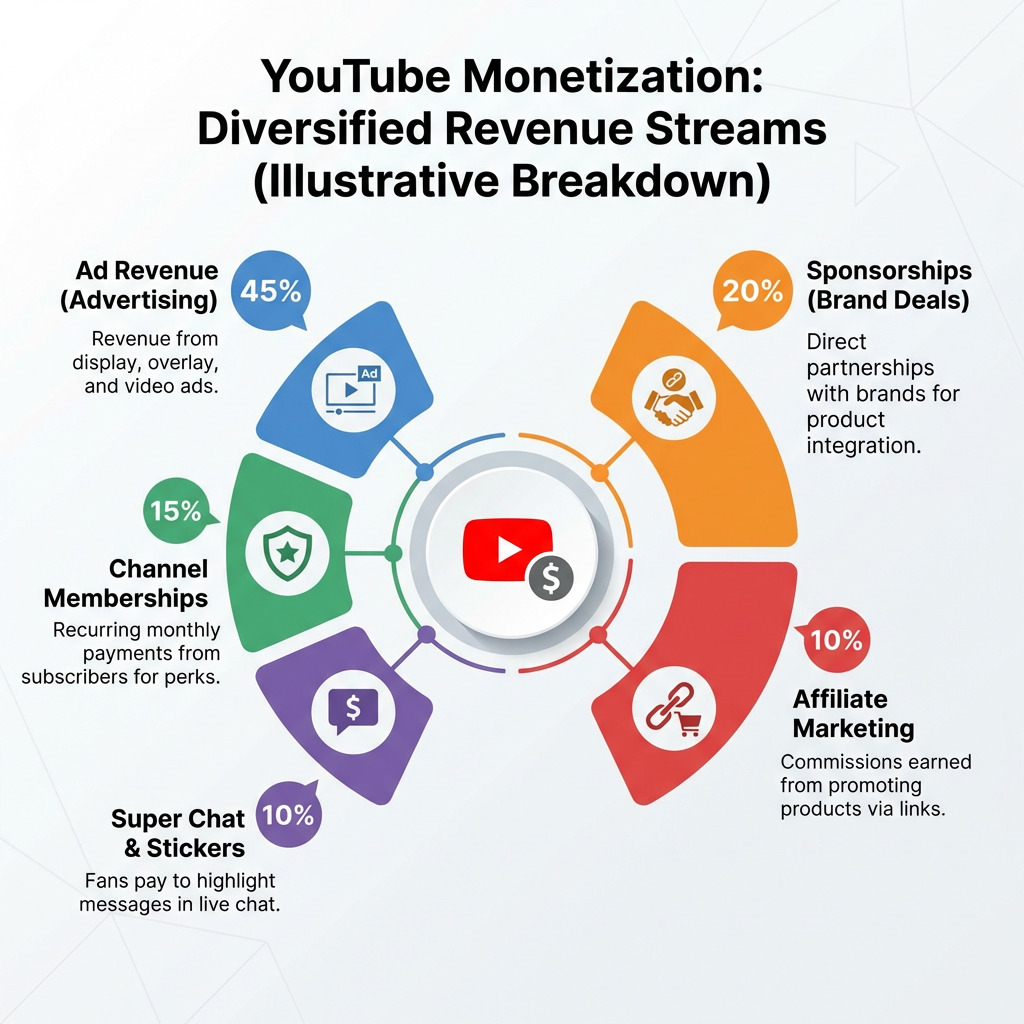
This comprehensive guide explores proven strategies, advanced techniques, and industry best practices for maximizing your YouTube monetization potential.
Understanding YouTube’s Monetization Ecosystem
Before diving into specific strategies, it’s crucial to understand how YouTube’s monetization ecosystem works. The platform operates on a revenue-sharing model where creators and YouTube split advertising revenue, with additional income streams available through various program features.
YouTube Partner Program Requirements
To access most monetization features, creators must meet YouTube Partner Program (YPP) eligibility requirements:
- 1,000+ subscribers
- 4,000+ watch hours in the past 12 months (or 10 million+ Shorts views)
- Comply with YouTube’s monetization policies
- Live in a country where YPP is available
- Have a linked AdSense account
Meeting these thresholds is just the beginning. Success requires understanding how different monetization methods work and implementing them strategically.
Primary Monetization Methods
Ad Revenue Through YouTube Ads
Advertising revenue remains the cornerstone of YouTube monetization. The platform serves various ad formats that generate income based on views, clicks, and engagement.
Pre-roll and Mid-roll Advertising
Pre-roll ads appear before video content begins, while mid-roll ads interrupt longer videos (8+ minutes) at strategic points. These formats typically generate the highest CPMs (cost per mille) due to their prominent placement and viewer attention.
Revenue factors include:
- Audience demographics: Age, location, and interests significantly impact ad rates
- Content category: Finance, technology, and business content typically commands higher CPMs
- Seasonality: Q4 advertising budgets often result in 20-40% higher earnings
- Video length: Longer videos accommodate more mid-roll placements
YouTube Shorts Monetization
YouTube introduced Shorts revenue sharing in 2023, allocating advertising revenue from the Shorts Feed among eligible creators. While individual Short CPMs are lower than long-form content, the viral potential can drive substantial aggregate earnings.
Channel Memberships
Channel memberships allow subscribers to pay monthly fees ($4.99-$24.99) for exclusive perks like:
- Custom badges and emojis
- Members-only posts and live chats
- Exclusive content access
- Early video access
Successful membership programs require consistent value delivery and active community engagement. Channels with 10,000+ engaged subscribers typically see 1-5% conversion rates to paid memberships.
Super Chat and Super Thanks
These features enable viewers to purchase highlighted messages during live streams (Super Chat) or send monetary appreciation for regular videos (Super Thanks). Gaming, educational, and entertainment channels often see strong performance with these tools.
Advanced Monetization Strategies
Brand Partnerships and Sponsorships
Direct brand partnerships often generate higher revenue than ad sharing, with rates varying significantly based on channel metrics:
- Nano-influencers (1K-10K subscribers): $10-100 per 1,000 views
- Micro-influencers (10K-100K subscribers): $100-500 per 1,000 views
- Macro-influencers (100K-1M subscribers): $500-1,000+ per 1,000 views
Successful sponsorship strategies include:
- Maintaining authentic brand alignment
- Transparent disclosure following FTC guidelines
- Negotiating performance bonuses based on engagement metrics
- Developing long-term partnership relationships
Affiliate Marketing Integration
Affiliate marketing can generate substantial passive income when implemented strategically. High-performing channels integrate affiliate links naturally within content, focusing on products they genuinely use and recommend.
Best practices include:
- Choosing reputable affiliate programs with fair commission structures
- Disclosing affiliate relationships transparently
- Creating dedicated product review content
- Tracking performance across different affiliate networks
Merchandise and Product Sales
YouTube’s integrated merchandise shelf allows creators to sell branded products directly below videos. Successful merchandise strategies focus on:
- High-quality designs that resonate with audience identity
- Limited edition releases to create urgency
- Cross-promotion across multiple content pieces
- Seasonal or event-based product launches
Optimizing Revenue Performance
Content Strategy for Monetization
Content optimization directly impacts monetization potential across all revenue streams. Key strategies include:
Audience Retention Optimization
Higher audience retention rates improve ad revenue through:
- Better ad completion rates
- Increased mid-roll ad opportunities
- Improved algorithm recommendation potential
- Higher overall watch time accumulation
Strategic Video Length Planning
Video length significantly impacts monetization:
- 8+ minutes: Enables mid-roll ads for maximum ad revenue
- 60+ seconds: Qualifies for standard YouTube monetization
- 15-60 seconds: Optimized for Shorts monetization pool
Analytics and Performance Tracking
YouTube Analytics provides crucial insights for optimizing monetization:
- Revenue reports: Track earnings across different sources
- Ad rates: Monitor CPM trends and seasonal variations
- Audience insights: Understand demographic composition for better targeting
- Traffic sources: Identify highest-value discovery methods
Technical Implementation Considerations
Video Player Technology for Publishers
Publishers looking to monetize video content beyond YouTube’s platform should consider advanced video player solutions. Modern video players like Veedmo offer sophisticated monetization features including programmatic advertising integration, custom ad insertion, and detailed analytics reporting.
Programmatic Advertising Integration
For publishers with significant video libraries, programmatic advertising can supplement YouTube revenue:
- Header bidding: Maximizes ad revenue through real-time auctions
- Private marketplace deals: Secures premium rates with select advertisers
- Dynamic ad insertion: Optimizes ad placement based on viewer behavior
Compliance and Best Practices
YouTube Policy Adherence
Maintaining monetization eligibility requires strict policy compliance:
- Copyright guidelines: Use original content or properly licensed materials
- Community guidelines: Avoid harmful, misleading, or inappropriate content
- Advertiser-friendly content: Create content suitable for brand advertising
- Spam policies: Maintain authentic engagement and avoid artificial inflation
Revenue Diversification Strategy
Successful creators diversify income across multiple streams to reduce platform dependency:
- YouTube ad revenue (30-50% of total income)
- Brand partnerships (25-35% of total income)
- Affiliate marketing (10-20% of total income)
- Direct sales/memberships (10-15% of total income)
- External platform monetization (5-10% of total income)
Measuring Success and Scaling
Key Performance Indicators
Track these essential metrics for monetization success:
- Revenue per mille (RPM): Total revenue per 1,000 views
- Cost per mille (CPM): Advertiser payment per 1,000 impressions
- Click-through rate (CTR): Ad engagement percentage
- Audience retention: Average view duration percentage
- Subscriber growth rate: Monthly subscriber acquisition
Scaling Strategies
As channels grow, implement these scaling strategies:
- Content team expansion: Hire editors, researchers, and collaborators
- Multi-platform distribution: Repurpose content across platforms
- Automation tools: Use scheduling, analytics, and management software
- Strategic partnerships: Collaborate with other creators and brands
Future of YouTube Monetization
The monetization landscape continues evolving with new features and opportunities:
Emerging Monetization Features
- YouTube Shopping: Direct product sales integration
- Live commerce: Real-time shopping during live streams
- NFT and digital collectibles: Blockchain-based monetization
- Virtual events: Ticketed premium content experiences
Industry Trends
Stay ahead of these developing trends:
- Short-form content growth: Increased Shorts monetization opportunities
- Interactive advertising: Enhanced viewer engagement formats
- Subscription model expansion: Premium content behind paywalls
- Cross-platform integration: Unified monetization across multiple channels
Conclusion
Monetizing YouTube videos successfully requires a strategic approach combining multiple revenue streams, consistent content creation, and deep audience understanding. While ad revenue provides the foundation, diversification through memberships, sponsorships, affiliate marketing, and merchandise creates sustainable long-term income.
Success depends on maintaining high content quality, adhering to platform policies, and continuously optimizing based on performance data. As the platform evolves, creators who adapt quickly to new features and monetization opportunities will maintain competitive advantages in the increasingly crowded digital content landscape.
By implementing these strategies systematically and focusing on audience value creation, content creators and publishers can build profitable, sustainable YouTube monetization systems that grow with their channels and audiences.