YouTube Shorts Monetization: Complete Guide for Publishers and Ad Tech Professionals
YouTube Shorts has revolutionized the short-form video landscape, creating unprecedented opportunities for publishers to monetize vertical video content. With over 70 billion daily views and growing, understanding YouTube Shorts monetization is crucial for ad ops professionals and publishers looking to maximize their video advertising revenue.
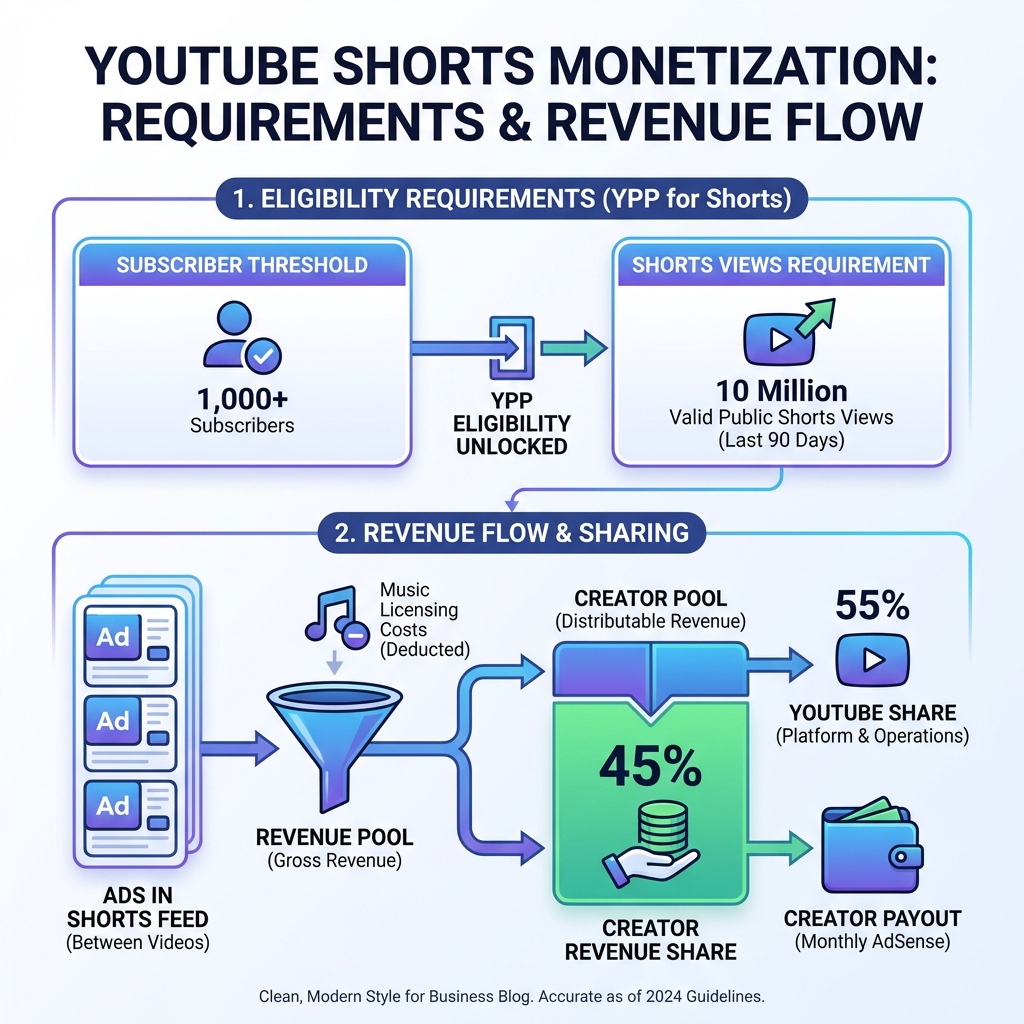
Understanding YouTube Shorts Monetization Framework
The YouTube Shorts Fund Evolution
YouTube initially launched the Shorts Fund in 2021 with $100 million allocated to reward creators. However, this was a temporary measure that evolved into more sustainable monetization models. The platform has since integrated Shorts into its broader Partner Program, allowing creators to earn revenue through multiple streams.
Current Monetization Models
Ad Revenue Sharing: Since February 2023, YouTube has enabled ad revenue sharing for Shorts creators who meet Partner Program requirements. This represents a significant shift from the fund-based model to programmatic advertising revenue.
Creator Fund Alternatives: While the original Shorts Fund has ended, YouTube continues to invest in creator monetization through various initiatives and bonus programs.
Channel Memberships and Super Thanks: These features allow direct fan funding, providing additional revenue streams beyond traditional advertising.
Technical Implementation for Publishers
Ad-Serving Integration
For publishers developing their own short-form video platforms or integrating Shorts-style content, understanding the technical ad-serving requirements is essential:
Vertical Video Ad Formats: Short-form content requires specialized ad formats optimized for 9:16 aspect ratios. Publishers must ensure their ad-serving infrastructure supports these dimensions.
Programmatic Integration: Modern short-form video monetization relies heavily on programmatic advertising. Publishers should implement header-bidding solutions to maximize revenue through real-time bidding competition.
Ad-Pods Considerations: Unlike traditional pre-roll ads, Shorts monetization often utilizes interstitial ad placements between videos, requiring careful ad-pod management to maintain user experience.
Revenue Optimization Strategies
Audience Targeting: Shorts viewers typically engage in rapid consumption patterns. Publishers must optimize their targeting strategies to capture attention within the first few seconds.
Frequency Capping: Given the binge-watching nature of short-form content, implementing appropriate frequency capping prevents ad fatigue while maximizing revenue.
Dynamic Ad Insertion: For publishers managing their own video infrastructure, solutions like Veedmo can provide the technical foundation for implementing dynamic ad insertion in short-form content, ensuring seamless monetization across different devices and platforms.
Publisher Program Requirements and Eligibility
YouTube Partner Program Criteria
To access YouTube Shorts monetization, creators and publishers must meet specific thresholds:
- Subscriber Requirement: 1,000 subscribers minimum
- Watch Time Threshold: Either 4,000 valid public watch hours in the last 12 months OR 10 million valid public Shorts views in the last 90 days
- Community Guidelines: Maintain good standing with YouTube’s policies
- Geographic Availability: Partner Program must be available in the creator’s location
Revenue Pool Distribution
YouTube allocates a portion of advertising revenue specifically for Shorts creators. The distribution model considers:
View-Based Allocation: Revenue is distributed based on the share of total Shorts views Music Usage Impact: Shorts using copyrighted music see revenue shared with music publishers Geographic Performance: Ad rates vary by region, affecting overall revenue potential
Advanced Monetization Techniques
Multi-Platform Strategy
Publishers should consider YouTube Shorts as part of a broader short-form video monetization strategy:
Cross-Platform Distribution: Repurpose Shorts content across TikTok, Instagram Reels, and other platforms to maximize reach and revenue potential.
Content Syndication: Develop partnerships with other publishers to expand distribution and share revenue from high-performing short-form content.
Data-Driven Optimization
Analytics Integration: Implement comprehensive tracking to understand which Shorts generate the highest CPMs and engagement rates.
A/B Testing: Continuously test different content formats, posting times, and audience targeting strategies to optimize monetization performance.
Seasonal Adjustments: Short-form video ad rates fluctuate significantly based on seasonal demand. Publishers should adjust content strategies accordingly.
Industry Performance Benchmarks
Revenue Expectations
While specific RPM (Revenue Per Mille) figures vary significantly, industry data suggests:
- Shorts typically generate lower RPMs compared to long-form content
- Top-performing channels report RPMs between $0.01-$0.06 for Shorts
- Geographic location significantly impacts earnings, with US and European audiences commanding higher rates
Growth Projections
The short-form video advertising market is expected to reach $25 billion by 2025, with YouTube Shorts capturing a significant portion of this growth. Publishers who establish strong Shorts monetization strategies early are positioned to benefit from this expansion.
Implementation Best Practices
Content Optimization
Hook Strategy: The first 3 seconds are critical for Shorts performance. Publishers should develop content strategies that immediately capture viewer attention.
Vertical-First Design: Unlike repurposed horizontal content, native vertical content typically performs better and generates higher engagement rates.
Trending Audio: Incorporating trending sounds and music can significantly boost visibility, though it may impact revenue sharing due to music licensing requirements.
Technical Considerations
Video Quality: While Shorts can be recorded on mobile devices, maintaining high visual and audio quality is essential for advertiser appeal.
Metadata Optimization: Proper title, description, and hashtag optimization helps with discoverability and can indirectly impact monetization through increased viewership.
Upload Consistency: Regular posting schedules help build audience expectations and can positively impact algorithm performance.
Challenges and Solutions
Common Monetization Obstacles
Low Revenue Per View: Short-form content inherently generates less revenue per view than long-form content. Publishers must focus on volume and engagement optimization.
Algorithm Dependency: Success heavily depends on platform algorithms, which can change unpredictably. Diversifying across multiple platforms helps mitigate this risk.
Content Moderation: Shorts are subject to strict content policies that can impact monetization eligibility. Publishers must maintain compliance across all content.
Strategic Solutions
Portfolio Approach: Successful publishers typically use Shorts as part of a broader content strategy that includes long-form monetizable content.
Brand Partnership Integration: Beyond ad revenue, Shorts can drive brand partnership opportunities that provide additional revenue streams.
Audience Building: Use Shorts to build audience that can be monetized through other channels and products.
Future Outlook and Opportunities
Emerging Technologies
The integration of interactive-ads and shoppable content features presents new monetization opportunities for short-form video publishers. These features allow for higher engagement rates and improved conversion metrics.
Market Evolution
As the short-form video market matures, we can expect:
- Improved ad formats specifically designed for vertical video consumption
- Enhanced targeting capabilities based on short-form viewing behavior
- Integration with connected TV (CTV) and streaming platforms for cross-device campaigns
Publisher Opportunities
Publishers who invest in understanding YouTube Shorts monetization now will be better positioned as the market evolves. The key is balancing immediate revenue generation with long-term audience building and platform diversification.
Conclusion
YouTube Shorts monetization represents a significant opportunity for publishers willing to adapt their strategies to short-form content. While the revenue per view may be lower than traditional formats, the scale and engagement potential make it a valuable component of modern digital publishing strategies.
Success requires understanding the technical requirements, audience behavior patterns, and optimization strategies specific to short-form content. Publishers who approach Shorts monetization strategically, with proper technical implementation and data-driven optimization, can build sustainable revenue streams in this rapidly growing market segment.
The evolution from creator funds to programmatic advertising integration demonstrates YouTube’s commitment to sustainable monetization models. As ad tech continues to advance and new formats emerge, publishers who establish strong foundations in Shorts monetization today will be well-positioned for future growth and opportunities in the short-form video advertising ecosystem.