YouTube monetization has evolved far beyond simple ad revenue sharing, offering publishers and content creators multiple sophisticated strategies to maximize their earning potential. With over 2 billion monthly active users and more than 1 billion hours of video watched daily, YouTube represents one of the most lucrative platforms for digital monetization.
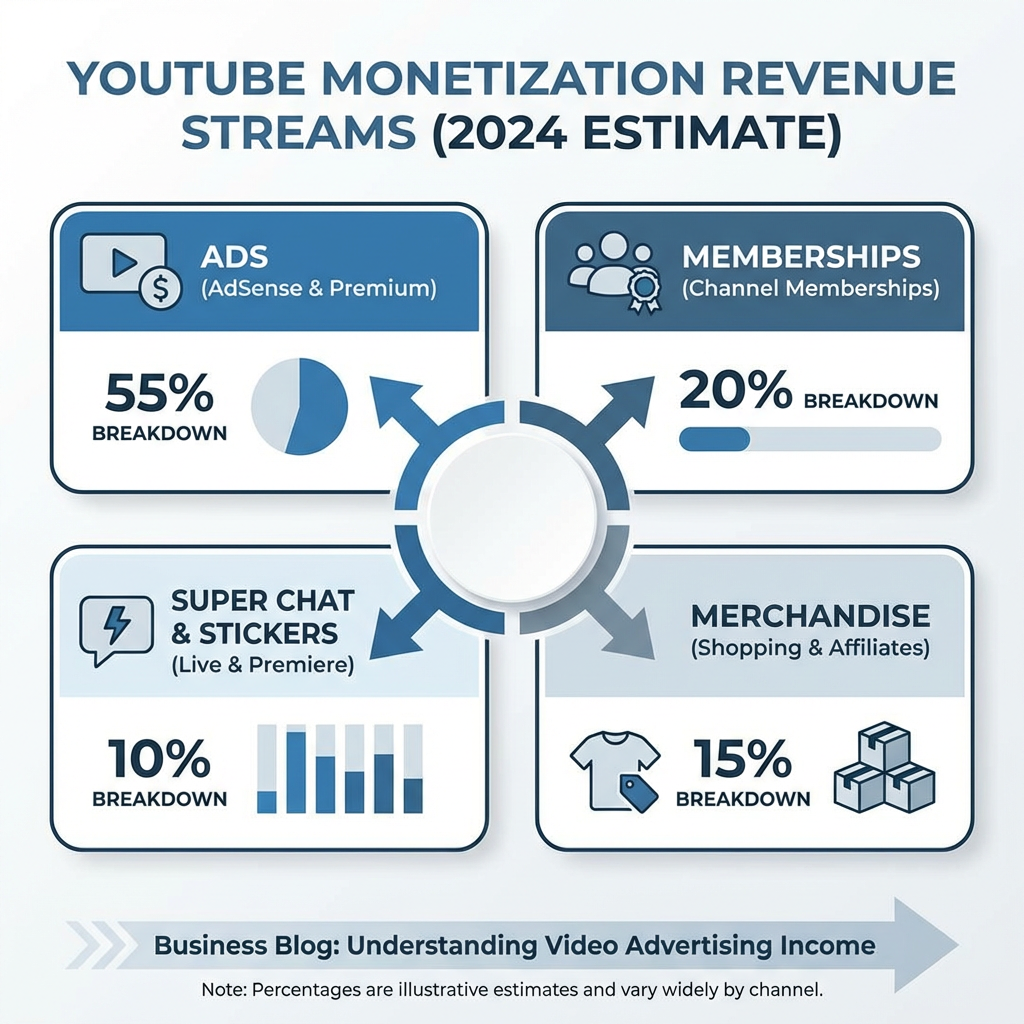
Understanding YouTube’s Monetization Landscape
The YouTube monetization ecosystem operates on multiple revenue streams, each requiring specific strategies and meeting distinct requirements. For publishers and ad ops professionals, understanding these mechanisms is crucial for developing comprehensive monetization strategies.
YouTube Partner Program (YPP) Fundamentals
The YouTube Partner Program serves as the foundation for most monetization efforts. To qualify, channels must meet specific thresholds: 1,000 subscribers, 4,000 watch hours in the past 12 months, and compliance with YouTube’s monetization policies. Once accepted, creators gain access to various revenue streams including advertising, channel memberships, and Super Chat.
Revenue sharing through YPP typically follows a 55/45 split, with creators receiving 55% of ad revenue. However, this baseline can be optimized through strategic content planning and audience development.
Core YouTube Advertising Revenue Streams
Display and Overlay Ads
Display ads appear alongside video content and include banner ads, overlay ads, and side panel advertisements. These formats typically generate lower CPMs but provide consistent revenue with minimal viewer disruption. Overlay ads, specifically, appear as semi-transparent overlays on the lower 20% of videos and can be closed by viewers.
Pre-roll and Mid-roll Advertisement Strategy
Pre-roll ads play before video content begins and represent the highest-earning ad format for most creators. These skippable and non-skippable ads generate revenue based on impressions and viewer engagement. Non-skippable pre-roll ads, limited to 15-20 seconds, typically command higher CPMs due to guaranteed completion rates.
Mid-roll ads, inserted during longer videos (8+ minutes), often generate the highest overall revenue due to higher viewer engagement at mid-content points. Strategic mid-roll placement at natural content breaks maximizes both revenue and viewer retention.
Bumper Ads and Ad Pods
Bumper ads are 6-second non-skippable advertisements that play before videos. While individual CPMs may be lower, their high completion rates make them valuable for consistent revenue generation. Ad pods, featuring multiple short ads in sequence, are increasingly common and can significantly boost revenue per impression.
Advanced Monetization Strategies
Channel Memberships and Super Chat
Channel memberships allow subscribers to pay monthly fees for exclusive perks, creating predictable recurring revenue. Membership tiers typically range from $4.99 to $24.99 monthly, with creators receiving approximately 70% after platform fees.
Super Chat and Super Thanks enable viewers to purchase highlighted messages during live streams or premiere events. These features work particularly well for gaming, educational, and entertainment content with engaged communities.
YouTube Shorts Fund and Creator Economy
YouTube Shorts represents a significant monetization opportunity, with the platform allocating $100 million to reward creators. While direct ad revenue sharing for Shorts is still developing, the format drives channel growth and cross-monetization opportunities.
Merchandise and Product Integration
YouTube’s merchandise shelf allows eligible creators to showcase official merchandise directly below videos. This feature requires partnership with approved merchandise retailers like Teespring or Spreadshop. Product integration and sponsored content represent additional revenue streams, often generating higher per-view earnings than traditional advertising.
Technical Implementation for Publishers
Ad Serving Optimization
For publishers managing multiple YouTube channels or integrating YouTube content into broader digital strategies, technical optimization becomes crucial. Proper video SEO, including strategic keyword placement, optimized thumbnails, and engagement-focused titles, directly impacts monetization potential.
Implementing proper analytics tracking allows publishers to identify high-performing content types and optimize ad placement strategies. YouTube Analytics provides detailed revenue reporting, including RPM (Revenue Per Mille) and CPM data across different ad formats.
Cross-Platform Monetization Integration
Many publishers integrate YouTube content with other video platforms and advertising technologies. For instance, repurposing YouTube content on owned-and-operated websites using video player solutions like Veedmo can create additional programmatic advertising opportunities while maintaining audience engagement across platforms.
Header-Bidding and Programmatic Integration
While YouTube’s advertising is managed through Google’s systems, publishers can leverage programmatic advertising principles by optimizing content for higher-value advertiser categories. Understanding programmatic buying patterns helps creators develop content that attracts premium advertisers.
Revenue Optimization Techniques
Content Strategy for Maximum CPMs
Certain content categories consistently generate higher advertising rates. Technology, finance, business, and education content typically attracts advertisers willing to pay premium CPMs. Gaming and entertainment content, while potentially generating lower per-view rates, often achieves higher overall revenue through increased engagement and view counts.
Audience Demographics and Geographic Targeting
Viewers from English-speaking countries (US, UK, Canada, Australia) and developed markets generally generate higher ad revenues. Content targeting these demographics, combined with strategic posting times, can significantly impact monetization effectiveness.
Seasonal and Trending Content Optimization
Aligning content with seasonal advertising spending patterns maximizes revenue potential. Q4 traditionally sees the highest advertising rates due to holiday spending, while certain topics experience cyclical demand throughout the year.
Compliance and Policy Management
Content Guidelines and Demonetization Avoidance
Maintaining monetization eligibility requires strict adherence to YouTube’s community guidelines and advertiser-friendly content policies. Common demonetization triggers include controversial topics, inappropriate language, violence, and copyright violations.
Implementing content review processes and understanding YouTube’s machine learning detection systems helps maintain consistent monetization across all uploaded content.
Copyright and Fair Use Considerations
Copyright claims can significantly impact monetization, with revenue often redirected to rights holders during dispute periods. Understanding fair use principles and implementing proper licensing for music, images, and video clips protects monetization potential.
Analytics and Performance Measurement
Key Monetization Metrics
Successful YouTube monetization requires monitoring specific metrics beyond basic view counts. Revenue Per Mille (RPM), representing earnings per 1,000 views, provides insight into overall monetization effectiveness. Cost Per Mille (CPM) indicates advertiser demand for specific content types.
Watch time and audience retention directly impact ad serving opportunities, with longer watch times creating more mid-roll advertising opportunities. Click-through rates on ads influence future ad serving, creating feedback loops that reward engaging content.
A/B Testing for Optimization
Systematic testing of thumbnail designs, titles, and content formats allows publishers to optimize for both engagement and monetization. Testing different video lengths, particularly around the 8-minute threshold for mid-roll ads, can reveal optimal content structures for specific audiences.
Future Trends and Emerging Opportunities
Connected TV and Streaming Integration
As viewing habits shift toward Connected TV (CTV) consumption, YouTube’s presence on smart TVs creates new monetization opportunities. CTV viewing typically generates higher CPMs due to the premium viewing environment and limited ad inventory.
Interactive Ads and Enhanced Engagement
YouTube continues developing interactive advertising formats that could increase creator revenue shares. These emerging formats focus on viewer engagement and conversion tracking, potentially commanding premium advertising rates.
Creator Economy Evolution
The broader creator economy trend suggests diversified revenue streams will become increasingly important. Successful YouTube monetization strategies increasingly involve multiple revenue sources, from traditional advertising to direct fan support and product sales.
Conclusion
Effective YouTube monetization requires a comprehensive understanding of the platform’s various revenue streams, technical requirements, and optimization strategies. For publishers and ad ops professionals, success depends on balancing content quality with strategic monetization planning.
The key to sustainable YouTube monetization lies in building engaged audiences while maintaining advertiser-friendly content standards. By implementing systematic approaches to content creation, technical optimization, and performance measurement, publishers can maximize their YouTube revenue potential while building long-term audience relationships.
As the digital advertising landscape continues evolving, YouTube monetization strategies must adapt to changing viewer behaviors, advertising technologies, and platform policies. Publishers who invest in understanding these dynamics while maintaining focus on audience value creation will achieve the most sustainable monetization success.